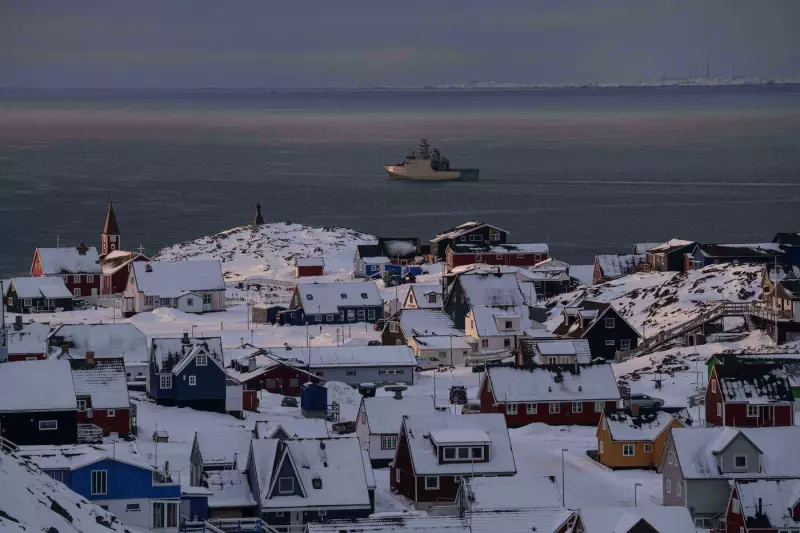
Former U.S. President Donald Trump's renewed interest in acquiring Greenland has sparked reactions from the island's residents and international observers, highlighting the complex geopolitical stakes in the Arctic region.
Expert Analysis from a Canadian Perspective
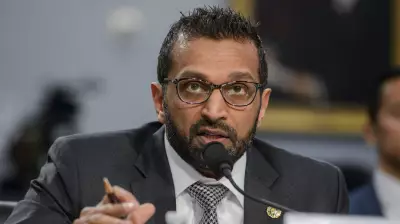
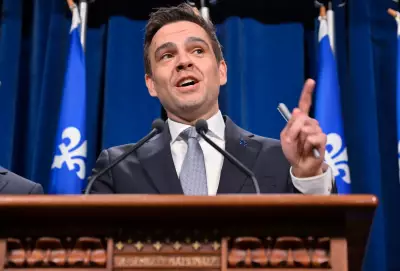
Alex Dalziel, a researcher from the Montreal Institute for Global Security, provided critical insight into the situation. He noted that the Trump administration's historical approach was characterized by 'all or nothing language', which significantly narrows the possibilities for negotiation. This uncompromising stance, according to Dalziel, creates substantial diplomatic challenges and fails to acknowledge Greenland's right to self-determination and its existing relationship with the Kingdom of Denmark.
Local Voices and Sovereign Rights
While the original report centered on Trump's desires, the core of the story lies in the perspective of Greenlanders themselves. The island, an autonomous territory within Denmark, possesses vast natural resources and holds immense strategic importance due to its Arctic location. The idea of a purchase has been consistently and firmly rejected by both Greenlandic and Danish authorities in the past. For the people of Greenland, the conversation is not about a real estate transaction but about their sovereignty, cultural identity, and future development in a rapidly changing Arctic.

Broader Implications for Arctic Diplomacy
This episode underscores the increasing global focus on the Arctic, where climate change is opening new shipping routes and access to resources. Canada, as a fellow Arctic nation with significant interests in the region, closely monitors such developments. The notion of a major power attempting to acquire territory in the Far North disrupts established international norms and cooperative frameworks, such as the Arctic Council. It raises questions about the future of governance, security, and environmental protection in this fragile yet increasingly accessible part of the world.
The response from Greenland serves as a powerful reminder that the future of the Arctic will be shaped not by unilateral desires for acquisition, but through respectful dialogue and cooperation with the people who call it home.