Gulf Arab States Intercept New Missile and Drone Attacks as Iran Conflict Widens
Gulf Arab states reported fresh missile and drone attacks on Sunday, following Iran's threats to expand its military campaign against the United States and Israel. The conflict, now in its third week, shows no signs of abating, with escalating violence disrupting global air travel, oil exports, and fuel prices worldwide.
Iran Accuses UAE of Hosting U.S. Strikes, Gulf Nations Deny Involvement
Bahrain, Saudi Arabia, and the United Arab Emirates issued warnings to residents on Sunday, confirming efforts to intercept incoming projectiles. This comes after Iran called for evacuations at three major UAE ports, marking the first direct threat to a neighboring country's non-U.S. assets. Iran has accused the U.S. of using "ports, docks and hideouts" in the UAE to launch strikes on Kharg Island, the primary terminal for Iran's oil exports, though no evidence has been provided. The UAE and other Gulf states hosting U.S. bases have firmly denied allowing their territory or airspace to be used for military operations against Iran.
Civilian Casualties Mount Across the Region
The humanitarian toll continues to rise, with Iranian strikes killing at least a dozen civilians in Gulf states, many of them migrant workers. In Iran, the International Committee for the Red Cross reports over 1,300 fatalities, including 223 women and 202 children, according to the judiciary's official news agency. Israel has confirmed 12 deaths from Iranian missile fire, while the U.S. military has lost at least 13 personnel since the war began, including six in a recent plane crash in Iraq.

Lebanon's Crisis Deepens Amid Hezbollah-Israel Clashes
Lebanon faces a worsening humanitarian disaster, with over 820 killed and 850,000 displaced since Iran-backed Hezbollah initiated attacks on Israel, prompting Israeli retaliatory strikes and troop deployments in southern Lebanon. The conflict has devastated infrastructure, leaving communities in ruins and straining regional stability.
Iran's Foreign Minister Claims U.S. Attacks Originated from UAE
Iranian Foreign Minister Abbas Araghchi asserted that the U.S. launched attacks on Kharg Island and Abu Musa Island from locations in the UAE, specifically Ras Al Khaimah and an area near Dubai. He described the escalation as dangerous but stated Iran aims to avoid populated areas. U.S. Central Command has not responded to these claims, while Anwar Gargash, a diplomatic adviser to the UAE president, rejected allegations of Emirati involvement.
Iran Fires Hundreds of Missiles, Targeting Civilian Sites
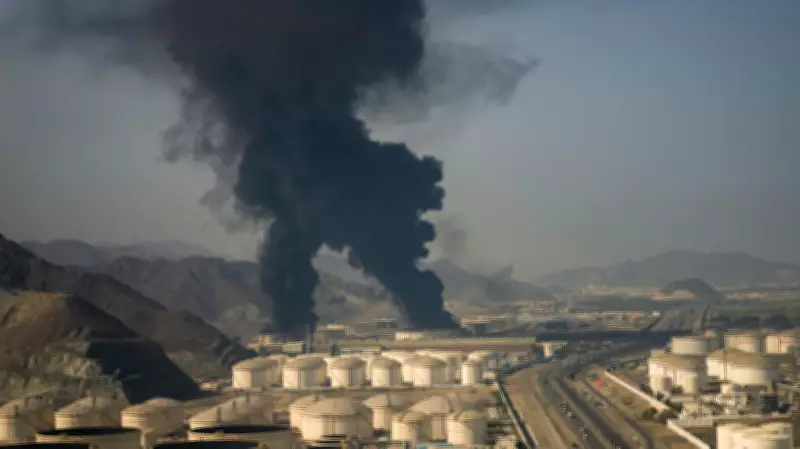
Iran has launched hundreds of missiles and drones at Gulf neighbors, including Bahrain, UAE, Saudi Arabia, Qatar, and Oman, during the conflict. While Iran claims to target U.S. assets, strikes have hit civilian locations such as airports and oil fields. Although air defenses have intercepted most attacks, significant damage has been inflicted, unsettling Gulf economies and exacerbating regional tensions.
Diplomatic Efforts and Trump's Call for Naval Support
Amid the violence, Araghchi indicated Iran's openness to proposals for a "complete end" to the war, with mediation efforts ongoing between Iran and its neighbors. However, no concrete progress has been reported. Meanwhile, former U.S. President Donald Trump urged allies, including China, France, and the United Kingdom, to send warships to secure the Strait of Hormuz, a critical oil shipping route. Britain responded by discussing "a range of options" with allies, while Araghchi criticized Trump's appeal as "begging" and called for expelling foreign forces from the region.
Mass Displacement and Refugee Concerns Intensify
The United Nations migration agency reported on Sunday that deteriorating conditions in Iranian cities are driving many Iranians to northern provinces for safety. Additionally, nearly 32,000 have fled to Afghanistan and about 4,000 to Pakistan, despite closed airports and border crossings. Neighboring states fear a repeat of refugee crises seen in Syria and Afghanistan, which could strain resources and polarize politics across Europe, Turkey, and North Africa.

U.S. Identifies Victims of Military Aircraft Crash
The U.S. Department of Defense identified six service members killed in a refueling aircraft crash in western Iraq on Thursday, while supporting operations against Iran. The deceased include Maj. John A. Klinner, Capt. Ariana G. Savino, Tech. Sgt. Ashley B. Pruitt, Capt. Seth R. Koval, Capt. Curtis J. Angst, and Tech. Sgt. Tyler H. Simmons. The crash occurred following an incident involving two aircraft in friendly airspace, with the other plane landing safely.
The conflict continues to unfold, with global implications for security, economy, and humanitarian aid, as international efforts seek to de-escalate the crisis and address the growing displacement and casualties.