Iran's New Supreme Leader Vows to Keep Strait of Hormuz Closed Amid Escalating Conflict
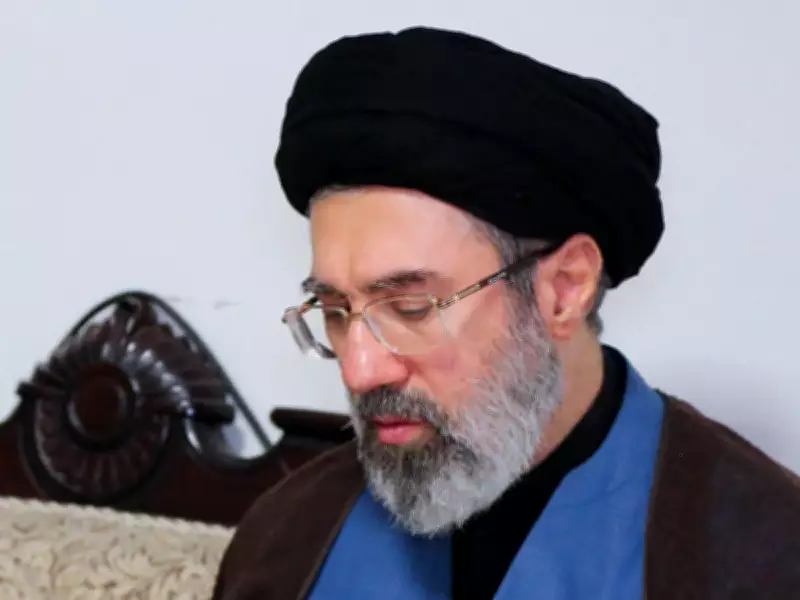
In his first public address since assuming leadership following his father's death, Iran's new supreme leader Mojtaba Khamenei has declared that the strategic Strait of Hormuz will remain effectively closed to international shipping. The 56-year-old hardline cleric, who succeeded his father Ayatollah Ali Khamenei after the elder leader was killed in early U.S. and Israeli attacks on February 28, made the announcement through state media on Thursday, vowing to maintain the chokehold on global energy supplies that has already triggered significant price increases.
Trump Prioritizes Nuclear Containment Over Oil Market Concerns
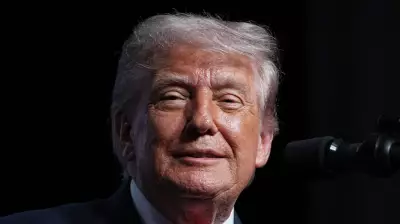
Meanwhile, U.S. President Donald Trump has publicly dismissed concerns about rising oil prices, stating that preventing Iran from obtaining nuclear weapons and threatening Middle East stability represents "of far greater interest and importance to me" than petroleum market fluctuations. In a social media post, Trump noted that while the United States benefits financially as "the largest Oil Producer in the World" when prices increase, his primary presidential focus remains on "stoping an evil Empire, Iran, from having Nuclear Weapons, and destroying the Middle East and, indeed, the World."
Conflict Escalation with No De-escalation in Sight
The defiant positions taken by both leaders indicate that the Middle East conflict shows no signs of abating after nearly two weeks of intense fighting. Israel launched fresh large-scale strikes across Iran on Thursday, while Tehran intensified attacks on Dubai and maritime assets. The confrontation has expanded beyond direct engagements between the primary adversaries, with Kuwait reporting several drones fired at its international airport causing material damage, and Dubai authorities confirming at least two strikes following overnight missile alerts that rattled residents of the financial hub long considered a regional safe haven.

Khamenei warned that Iran has conducted "studies into opening other fronts where the enemy has little experience and would be highly vulnerable," adding that "their activation will take place if the state of war persists." This threat of expanded conflict zones comes as Israeli Defense Minister Israel Katz announced preparations to broaden military operations in Lebanon against the Iran-aligned Hezbollah militia.
Economic and Humanitarian Consequences Mount
The economic impact of the conflict continues to intensify, with Brent crude oil surpassing $100 per barrel as combatants entrenched their positions, representing an approximately 65% price increase since the beginning of the year. Beyond energy markets, the hostilities have disrupted global commerce, resulting in thousands of flight cancellations and interrupting the flow of essential goods including fertilizers.
U.S. officials have provided lawmakers with preliminary assessments indicating the first six days of warfare with Iran cost more than $11.3 billion, offering the most detailed financial accounting to date of the expensive military campaign. The United States and Israel have maintained aerial assaults against Iran since February 28, prompting retaliatory missile and drone attacks from Tehran across the Gulf region that have further complicated humanitarian and logistical situations.
The strategic Strait of Hormuz, through which approximately one-fifth of the world's petroleum passes, remains a critical flashpoint in the conflict, with Khamenei's declaration ensuring continued volatility in global energy markets as diplomatic solutions appear increasingly distant.