Iran and Russia Stage Joint Naval Exercises as U.S. Carrier Approaches Middle East
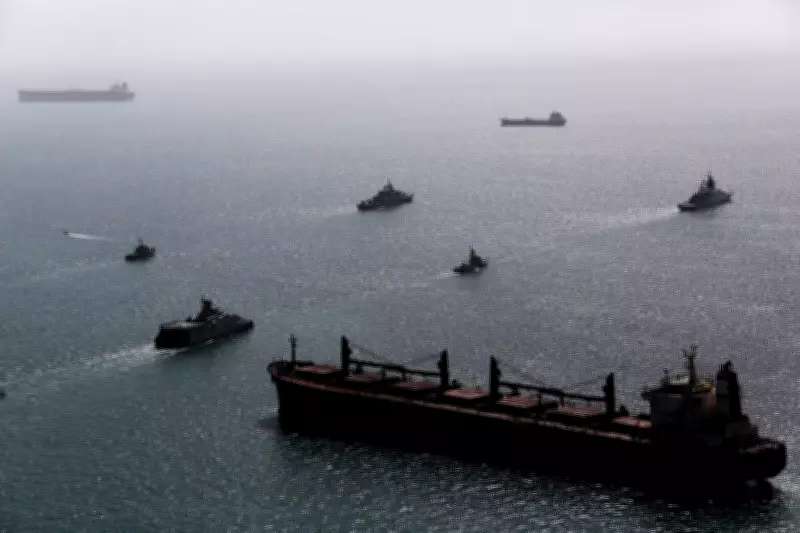
In a significant escalation of military posturing, Iran and Russia have conducted joint naval drills in the Indian Ocean, while a United States aircraft carrier steams toward the region, heightening fears of a potential armed conflict. The exercises, which took place on Tuesday, February 17, 2026, involved multiple Iranian navy ships operating alongside Russian forces, as confirmed by imagery released by the Iranian military on Thursday, February 19, 2026.
Drills Signal Deepening Military Alliance
The joint maneuvers underscore the strengthening military cooperation between Tehran and Moscow, a partnership that has grown amid ongoing geopolitical tensions. These drills are seen as a direct response to Western pressure and a demonstration of Iran's naval capabilities in strategic waterways. Analysts note that such exercises often serve as a show of force, intended to deter adversaries and project power in a region critical to global energy supplies.
U.S. Naval Movements Add to Regional Strain
Simultaneously, the United States has deployed an aircraft carrier closer to the Middle East, a move interpreted as a counter to the Iranian-Russian activities. This deployment is part of broader U.S. military preparations in the area, reflecting concerns over Iran's regional ambitions and its alliances. The proximity of these events has sparked warnings from observers about the risk of miscalculation or accidental clashes that could spiral into wider hostilities.

Context of Rising Tensions
The drills and carrier movement occur against a backdrop of prolonged instability in the Middle East, including:
- Ongoing proxy conflicts involving Iranian-backed groups.
- International disputes over Iran's nuclear program.
- Economic sanctions impacting Iran's economy.
- Historical animosities between Iran and Western nations.
These factors contribute to a volatile environment where military exercises can quickly be perceived as threats, necessitating careful diplomatic navigation to avoid escalation.
Global Implications and Future Outlook
The convergence of these military activities highlights the fragile state of international relations in the region. Experts emphasize that while such drills are not uncommon, their timing and scale, coupled with U.S. naval movements, suggest a heightened state of alert. The situation calls for increased vigilance and diplomatic efforts to de-escalate tensions, as any misstep could have far-reaching consequences for global security and energy markets. Monitoring of further developments is advised as all parties assess their next moves in this high-stakes geopolitical chess game.