Iran's Strait of Hormuz Naval Mines Pose Grave Threat to Western Shipping and Security
Iran's strategic deployment of naval mines in the critical Strait of Hormuz represents a severe and escalating threat to Western interests and global maritime commerce. Following recent U.S. and Israeli military actions against Iran, Tehran appears to be actively pursuing a strategy to choke this vital waterway to oil traffic, with sea mines serving as their primary weapon of choice.
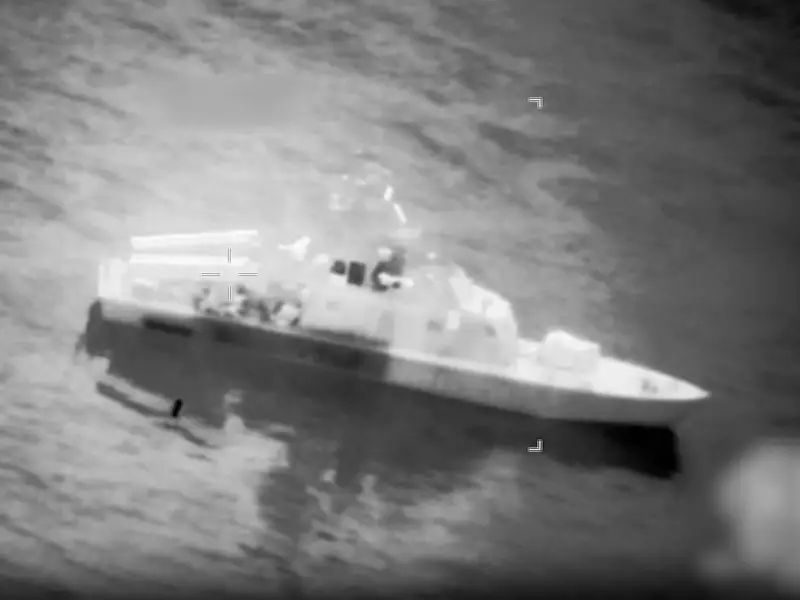
U.S. forces have already struck 28 Iranian mine-laying vessels, according to statements from President Donald Trump, as tensions continue to mount more than a week into the ongoing Middle East conflict. This aggressive response underscores the seriousness with which Western powers view Iran's mining capabilities in the region.
The Scale of Iran's Mine Arsenal
According to Elie Tenenbaum, a researcher at the French Institute for International Relations, Iran maintains an estimated arsenal of 5,000 to 6,000 naval mines, including particularly dangerous drifting mines that prove extremely difficult to intercept and neutralize. These weapons represent what one former senior French naval officer described as "the weapon of the poor" - inexpensive yet devastatingly effective tools that "pose a fundamental threat to maritime trade and to the freedom of action of naval forces."

Iran's mine inventory includes:
- Contact mines that drift with currents or remain moored to sea floors
- Influence mines adapted for the Gulf's shallow waters
- Limpet mines that can be attached directly to ship hulls
The U.S. Defence Intelligence Agency noted in a 2019 report that Iran can rapidly deploy these mines throughout the Persian Gulf and Strait of Hormuz using high-speed small boats equipped as minelayers, with many Ashoora-class vessels already modified to carry at least one mine each.
Historical Precedent and Current Concerns
Iran has demonstrated its willingness to deploy sea mines in previous conflicts, most notably during the 1980s "tanker war" with Iraq, which forced the United States to implement commercial ship escort operations. The destructive potential of such weapons was further illustrated during the 1991 Gulf War when Iraqi forces deployed approximately 1,300 mines, resulting in significant damage to two U.S. Navy vessels.
According to researcher Scott Truver, who has taught at the Naval War College, the multinational coalition required more than two years of intensive mine-countermeasure operations to declare the northern Gulf mine-free following that conflict, with repairs to the damaged USS Princeton alone costing approximately $100 million.
The Demining Challenge Ahead
While Western nations possess the technical capability to conduct demining operations in the Strait of Hormuz, such efforts would prove exceptionally lengthy and complex. The combination of Iran's substantial mine inventory, the strategic importance of the waterway, and the technical challenges presented by different mine types creates what military analysts describe as a "nightmare scenario" for Western demining teams.
The shallow waters of the Gulf present particular difficulties, as do the drifting mines that move unpredictably with currents. Even with advanced detection and neutralization technology, clearing the Strait of Hormuz of thousands of mines would likely require a multinational effort spanning multiple years, during which time global oil shipping would face severe disruption and security risks.
As tensions continue to escalate in the region, the specter of mined shipping lanes threatens not only immediate security concerns but also long-term economic stability, with the Strait of Hormuz serving as a critical artery for approximately one-fifth of the world's petroleum consumption.