Human Rights Watch Accuses Israel of Using White Phosphorus in Southern Lebanon
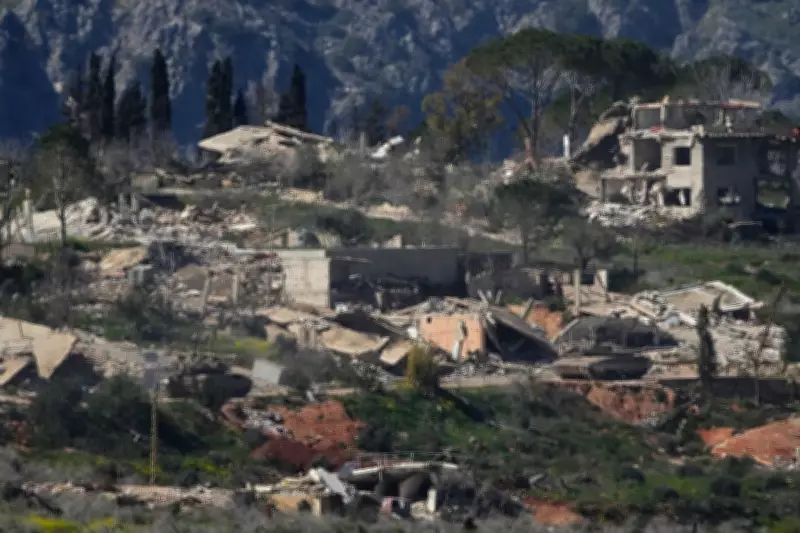
Human Rights Watch (HRW) has leveled a serious accusation against the Israeli military, alleging the use of white phosphorus munitions in a southern Lebanese town. This claim emerges amidst the ongoing Israel-Hamas conflict, which has seen heightened tensions and military activities spilling over into neighboring regions.
Details of the Allegation
The international human rights organization asserts that Israeli forces employed white phosphorus during operations in southern Lebanon. White phosphorus is a chemical substance that can cause severe burns and long-term environmental damage. Its use in populated areas is widely condemned under international humanitarian law due to the indiscriminate harm it can inflict on civilians.
HRW's report highlights specific incidents where these munitions were allegedly deployed, raising alarms about potential violations of the laws of war. The organization has called for an immediate investigation into the matter, urging accountability and transparency from Israeli authorities.

Context of the Israel-Hamas War
This accusation comes as the conflict between Israel and Hamas continues to escalate, with significant regional implications. The war, which began with Hamas's attacks on Israel, has led to widespread destruction in Gaza and increased military engagements along Israel's northern border with Lebanon.
The use of white phosphorus, if confirmed, could exacerbate the already dire humanitarian situation in the area. It underscores the complex and volatile nature of the conflict, where civilian populations often bear the brunt of military actions.
International Reactions and Legal Implications
Human Rights Watch has emphasized the need for adherence to international legal standards, particularly the Geneva Conventions, which prohibit the use of weapons that cause unnecessary suffering or have indiscriminate effects. The allegation has sparked concerns among other human rights groups and international bodies, who are monitoring the situation closely.
Israeli officials have yet to issue a formal response to these specific claims. However, in the past, Israel has stated that its military operations comply with international law and are aimed at targeting militant infrastructure while minimizing civilian casualties.
Broader Regional Impact
The accusation adds another layer of complexity to the already tense regional dynamics. Southern Lebanon has been a flashpoint for clashes between Israeli forces and Hezbollah, a Lebanese militant group allied with Hamas. The alleged use of white phosphorus could further inflame tensions and hinder efforts towards de-escalation and peace.
As the conflict persists, the international community continues to call for ceasefires and diplomatic solutions. However, incidents like these highlight the challenges in achieving lasting peace and security in the region.
Human Rights Watch's report serves as a stark reminder of the human cost of war and the imperative for all parties to uphold humanitarian principles. The organization has urged for independent investigations and accountability to prevent further violations and protect civilian lives.