Israeli Military Operations Devastate Iranian Petrochemical Industry
Israeli Defense Minister Israel Katz revealed on Monday that the Israel Defense Forces have executed two significant attacks against Iran's petrochemical infrastructure, effectively disabling approximately 85% of the country's total petrochemical production capacity. These coordinated strikes represent what Katz described as "a severe economic blow to the Iranian regime, amounting to tens of billions of dollars."
Targeting Critical Production Facilities
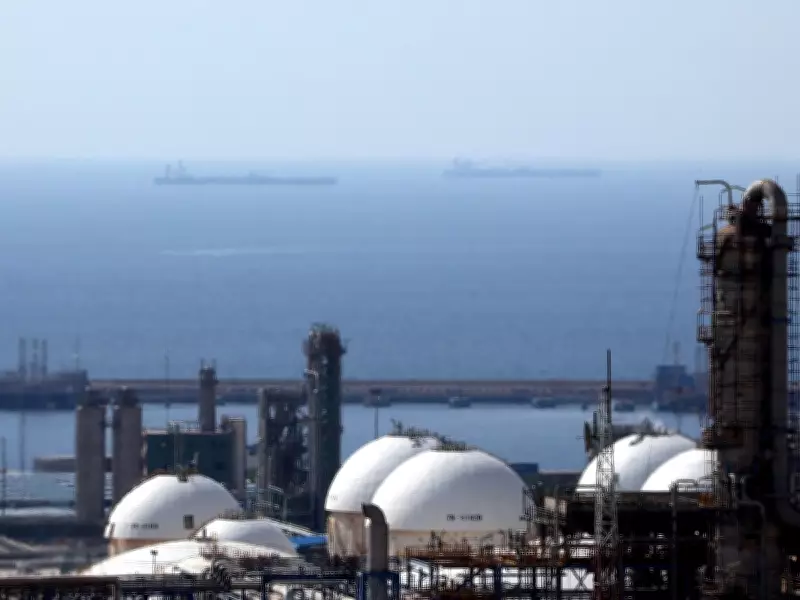
The most recent operation targeted Iran's largest petrochemical facility located in Asaluyeh, a coastal town along the Persian Gulf. According to official statements, this single facility accounted for roughly 50% of Iran's entire petrochemical production before the attack. This strike followed another operation conducted just last week against a second major petrochemical complex.
"The IDF has now aggressively attacked Iran's largest petrochemical facility located in Asaluyeh—a major target responsible for about 50% of the country's petrochemical production, after last week's second major facility was attacked," Katz declared in his public announcement.

Strategic and Economic Consequences
The dual attacks have effectively paralyzed Iran's petrochemical export capabilities, with the two targeted facilities collectively responsible for 85% of the nation's total petrochemical exports. This sector represents a crucial component of Iran's economy and has reportedly provided substantial funding to military organizations.
Katz emphasized that the petrochemical industry has funneled approximately $18 billion to the Islamic Revolutionary Guard Corps over the past two years, directly supporting Iran's ballistic missile production programs. "The petrochemical industry has provided the terrorist organization—the Islamic Revolutionary Guard Corps—with about $18 billion over the past two years, directly serving Iran's ballistic missile production industry," the defense minister stated following a situation assessment.
Escalating Regional Tensions
These military actions come amid heightened regional tensions, with Katz warning that continued aggression against Israel would result in further consequences. "Israeli Prime Minister Benjamin Netanyahu and I have instructed the IDF to continue to attack the national infrastructure of the Iranian terror regime with all its might," he asserted.
The defense minister added a stark warning: "The Iranian terror regime will discover that the continued aggression against Israel and the cowardly and criminal fire at Israeli citizens will lead to the deepening of the economic and strategic damage it is paying and the collapse of its capabilities."
Previous Strike Details
The earlier attack occurred on Saturday when Israeli warplanes struck a petrochemical complex in Mahshahr, located in southwestern Iran's Khuzestan Province. Military officials identified this facility as essential for producing and exporting chemical materials to Iran's armed forces, including what they described as a "critical component for ballistic missiles" used to target Israel.
The Israeli Air Force specifically targeted a site within the Mahshahr complex that housed one of two primary facilities used to manufacture materials for explosives, missiles, and other weapons systems.
Broader Implications
These coordinated strikes represent a significant escalation in Israel's military response to what it perceives as Iranian aggression. The operations specifically target economic and industrial infrastructure rather than purely military installations, signaling a strategic shift in approach.
Katz concluded with a firm ultimatum: "As long as rocket fire toward Israeli civilians continues, Iran will pay painful prices that will erode and collapse its national infrastructure." The defense minister's statements underscore Israel's determination to respond forcefully to attacks on its territory while simultaneously crippling Iran's economic and military capabilities through targeted infrastructure destruction.