Nuclear Meltdown Threat Looms Over Middle East Amid Escalating Iran Conflict
KUWAIT CITY — The ongoing military confrontation between the United States, Israel, and Iran has entered a perilous new phase, with recent strikes dangerously close to sensitive nuclear facilities raising alarms about a potential catastrophic meltdown. The situation intensified last week when reported damage occurred mere meters from the reactor at Iran's Bushehr Nuclear Power Plant, located directly across the Gulf from Kuwait.
Immediate Regional Threat from Bushehr Facility
The Bushehr Nuclear Power Plant sits just 276 kilometers across the Gulf from Kuwait, placing the nation within immediate range of any radioactive release. Prevailing northwesterly winds could rapidly carry contamination toward Kuwaiti territory, dramatically heightening the risk for millions of residents. Experts have issued grave warnings that a severe incident at Bushehr could have consequences comparable to the Chernobyl disaster, underscoring the existential threat facing the region.
Rafael Grossi, director of the International Atomic Energy Agency, has urgently called for maximum restraint from all parties involved. "An accident at an operating nuclear power plant would be something very, very serious," Grossi cautioned in a statement. "This is the reddest line of all in nuclear safety." His warning comes as fighting enters its fourth week, with no signs of de-escalation.

Recent Escalations and Retaliatory Strikes
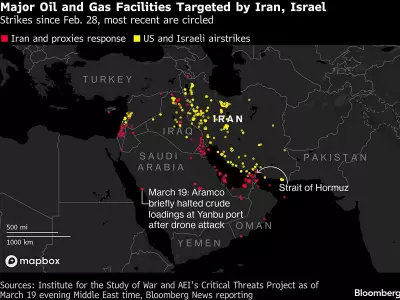
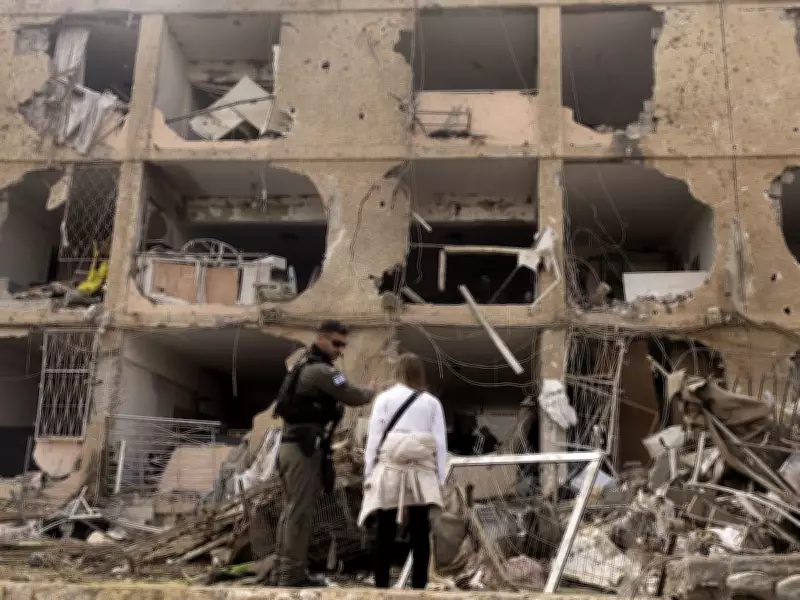
Iran's most recent retaliatory barrage involved hundreds of ballistic missiles and drones launched across Kuwait and neighboring Gulf states. This followed reports that Iran's Natanz enrichment complex—a critical nuclear site—was struck on Saturday. Within hours, Iran launched ballistic missile attacks on the southern Israeli towns of Dimona and Arad, injuring approximately 180 people. The Dimona strike occurred just 13 kilometers from the Negev Nuclear Research Center, Israel's most secretive and strategically sensitive facility.
Whether by deliberate design or dangerous proximity, the message has become unmistakably clear: no target is beyond reach in this rapidly escalating conflict. The transformation from what might once have been covert confrontation into overt and immediate reprisal has occurred with alarming speed.
Heightened Risks for Military Personnel and Infrastructure
The developments unfold as hundreds of Canadian troops remain stationed at Camp Canada, located within a U.S.-operated air base that was struck earlier this month. The base was targeted again on Sunday by four drones that were successfully intercepted, underscoring the heightened risks facing international personnel deployed throughout the region.
Regional infrastructure has also suffered significant disruption. Kuwait City's airport was closed after being struck multiple times by Iranian drones, forcing alternative travel arrangements. One journalist described a harrowing journey by road from Saudi Arabia into Kuwait, gazing at distant flickering lights from oil refineries on the horizon while cut off from communication during the dangerous crossing.
Political Warnings and Regional Concerns
The conflict took another concerning turn when former U.S. President Donald Trump warned he would "obliterate" Iran's power plants if the country failed to fully reopen the Strait of Hormuz within 48 hours. Trump later stated those strikes would be postponed five days following talks between Washington and Tehran, but the threat added another layer of volatility to an already explosive situation.
Local residents express growing anxiety about the direction of the conflict. "Where is all this going?" asked one concerned driver, voicing fears that such ultimatums would only lead to further carnage rather than resolution. With nuclear facilities now in the crosshairs and retaliatory strikes becoming increasingly brazen, the Middle East faces what experts describe as its most dangerous nuclear crisis in decades.