Saab CEO Highlights Uncertainty in Canada's Fighter Jet Review Process
The Chief Executive Officer of Swedish aerospace and defense company Saab, Micael Johansson, has publicly expressed uncertainty regarding when the Canadian government will finalize its review of fighter jet procurement options. This statement comes as Ottawa continues its prolonged evaluation process to select a new fleet of combat aircraft for the Royal Canadian Air Force.
Ongoing Procurement Evaluation
Canada has been engaged in a comprehensive assessment of potential fighter jet replacements for its aging CF-18 Hornet fleet for several years. The competition has primarily involved two leading contenders: the American-made Lockheed Martin F-35 Lightning II and the Swedish Saab Gripen. Despite repeated timelines and deadlines, the procurement process has experienced multiple delays, creating uncertainty for both manufacturers and defense analysts.
Johansson's comments reflect the frustration within the defense industry regarding the protracted decision-making timeline. "The timeline for completion remains unclear," Johansson stated, emphasizing that Saab continues to engage with Canadian officials while awaiting definitive direction from Ottawa.

Strategic Implications for Canadian Defense
The fighter jet procurement represents one of Canada's most significant defense investments in decades, with an estimated value exceeding $19 billion for 88 new aircraft. The selection will have substantial implications for Canada's military capabilities, industrial benefits, and strategic partnerships within NATO and NORAD.
Experts note that further delays could impact operational readiness as the current CF-18 fleet approaches the end of its service life. Maintenance costs for the aging aircraft have escalated significantly in recent years, adding urgency to the procurement process.
Key factors under consideration in the review include:- Technical capabilities and performance specifications
- Lifecycle costs and maintenance requirements
- Industrial and technological benefits for Canadian companies
- Interoperability with allied forces, particularly the United States
- Sovereignty and control over aircraft systems and data
Global Context and Competitive Landscape
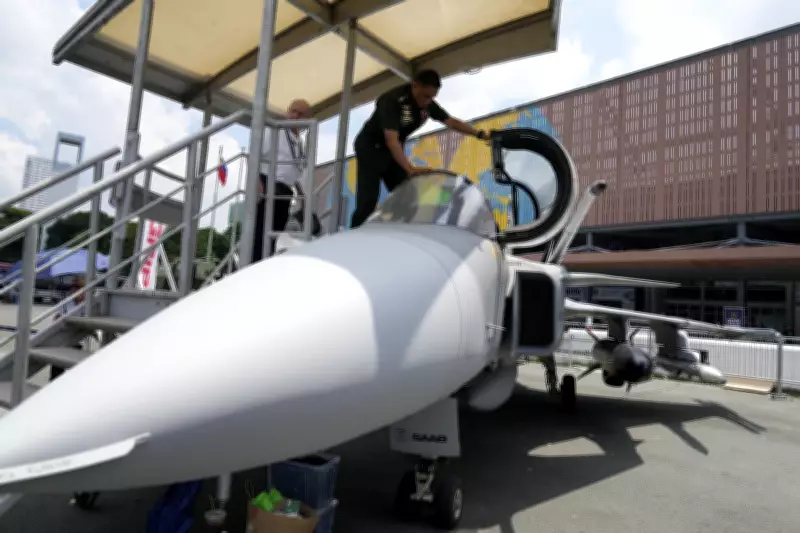
The Saab Gripen E/F, which has been demonstrated to international military leaders including Philippine officials in 2024, offers what the company describes as lower operating costs and greater flexibility for dispersed operations compared to its competitors. However, the F-35 benefits from extensive production experience and widespread adoption among Canada's closest allies.
Defense analysts suggest that political considerations, including Canada's relationship with the United States and domestic economic factors, may ultimately influence the decision as much as technical specifications. The review process has reportedly examined not only aircraft capabilities but also broader strategic implications for Canada's defense posture and international partnerships.
As the evaluation continues without a clear completion date, industry observers anticipate that both manufacturers will intensify their lobbying efforts and public relations campaigns. The uncertainty expressed by Saab's CEO underscores the challenges facing major defense procurements in an era of evolving security threats and fiscal constraints.