Saddam Hussein's Tomb Damaged in Militant Attack in Iraq
The final resting place of former Iraqi dictator Saddam Hussein has been targeted and damaged in a militant attack, according to reports from August 2014. The incident occurred in his home village of Ouja, located near Tikrit, approximately 130 kilometers north of Baghdad.
Details of the Attack
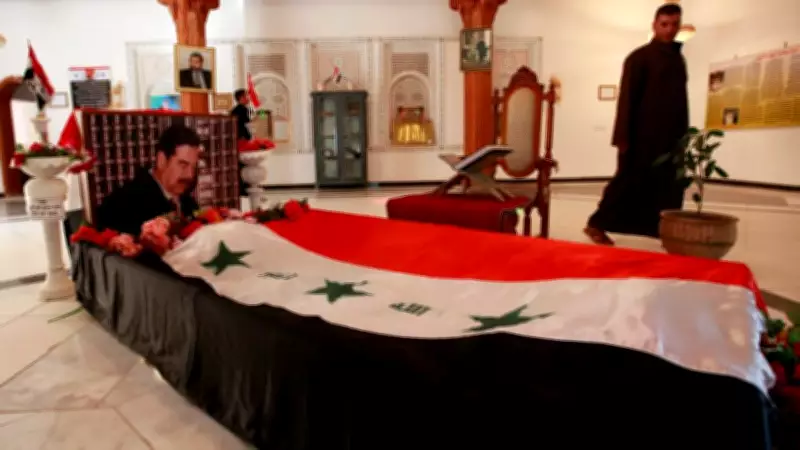
While specific details regarding the extent of the damage or the identity of the militants remain unclear, the attack underscores the ongoing volatility and security challenges in the region following Hussein's execution in 2006. The tomb, which had become a site of visitation for some, as seen in a December 2011 photograph showing people paying respects with a portrait of Hussein displayed, now bears the scars of this assault.
Historical and Political Context
Saddam Hussein, who ruled Iraq from 1979 until his overthrow by a U.S.-led invasion in 2003, was executed after being convicted of crimes against humanity. His burial site in Ouja has been a point of contention and symbolism, reflecting the deep divisions within Iraqi society. This attack highlights how locations associated with his legacy continue to be flashpoints in the country's turbulent post-invasion landscape.

The targeting of such sites is not uncommon in conflict zones, where militants often seek to erase symbols of previous regimes or incite further unrest. In this case, the damage to Hussein's tomb may be intended to provoke reactions or assert control over narratives of Iraq's history.
Regional Implications
This event adds to the complex security situation in Iraq, where various militant groups have operated, contributing to instability. It serves as a reminder of the persistent threats to cultural and historical sites amidst ongoing conflicts. The attack on Hussein's tomb could have broader implications for local communities and the preservation of Iraq's contested heritage.
As Iraq continues to navigate its path forward, incidents like this underscore the challenges in achieving lasting peace and reconciliation. The damage to the tomb is a stark symbol of the violence that has plagued the nation for decades.