Trump's Kharg Island Threat: Strategic Pressure Point in Iran Oil Industry
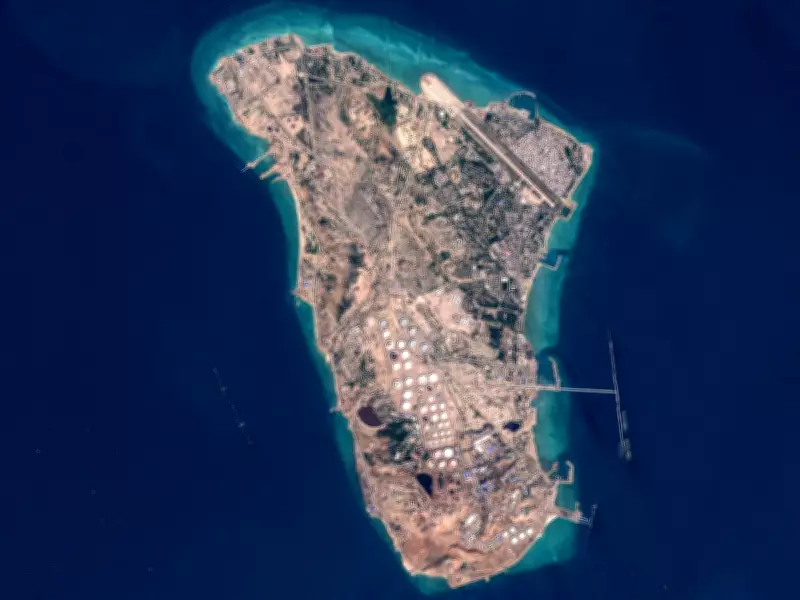
A scrubby island in the Gulf, roughly one-third the size of Manhattan, has become the focal point of escalating tensions between the United States and Iran. Kharg Island serves as the nerve center of Iran's oil industry and represents a key pressure point in U.S. President Donald Trump's latest efforts to pressure Tehran.
The Strategic Importance of Kharg Island
Despite having no oil wells of its own, Kharg Island handles approximately 90 percent of Iran's crude exports according to a report by U.S. bank JP Morgan. Located about 30 kilometers from the Iranian coast in the northern Gulf, the island contains Iran's largest oil terminal, extensive pipeline networks, storage tanks, and related infrastructure critical to the country's petroleum exports.
On Monday, March 30, 2026, Trump vowed that failure by Iran to agree to a deal ending the conflict could result in the United States "completely obliterating" this crucial export hub. The previous day, he had suggested U.S. forces could take the island "very easily," noting that the Pentagon has been eyeing the location for potential ground operations.

Military Facilities and Recent Strikes
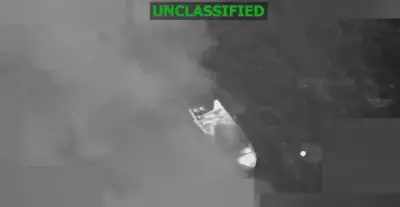
Kharg Island also hosts significant military facilities, some of which have already been targeted by Israeli-U.S. strikes. On March 13, U.S. forces executed what Centcom described as a "large-scale precision strike" on the island, destroying naval mine storage facilities, missile storage bunkers, and multiple other military sites while reportedly preserving the oil infrastructure.
According to Centcom, the U.S. military command for the region, "U.S. forces successfully struck more than 90 Iranian military targets on Kharg Island." Sources close to U.S. intelligence services told CNN that Iran has deployed additional troops and defense systems to the area in recent weeks, including MANPAD-type surface-to-air missiles and mines.
Potential U.S. Military Options
Military analysts identify three primary routes for U.S. forces wishing to seize Kharg Island: an airborne attack, an amphibious operation, or a combination of both approaches. The Pentagon is currently moving U.S. paratroopers and Marines into the region, with the U.S. think tank Soufan noting that "the U.S. combat force build-up sets the stage for a potential ground offensive in Iran."
General Joseph Votel, former commander of Centcom, told The War Zone website that seizing Kharg would not require massive troop numbers. "On a small island like Kharg, I imagine you'd need a battalion of Marines," Votel said. "We are therefore talking about a force of 800 to 1,000 men, perhaps a little fewer, certainly not much more."
The Challenge of Holding Territory
However, military experts caution that taking Kharg Island and holding it represent significantly different challenges. Professor Phillips O'Brien of the University of St. Andrews in Scotland emphasized that the U.S. military would struggle to retain control of the island within range of Iranian missiles and drones.
"Taking Kharg and holding onto it are two different things," O'Brien stressed, highlighting the logistical and strategic difficulties of maintaining a presence on an island so close to Iranian territory and military assets.
The European Space Agency's Copernicus Sentinel-2 satellite captured images of Kharg Island on March 17, 2026, showing the strategic location that has become central to both Iran's oil economy and the escalating military tensions in the region. As Trump's administration continues to apply pressure on Tehran, this small but crucial island represents both a potential military objective and a significant economic vulnerability for Iran.