U.S. Reportedly Weighs Special Operation to Seize Iranian Uranium
According to recent reports, the United States is actively considering a covert special operation designed to seize Iran's enriched uranium stockpiles. This potential military action aims to address growing concerns over nuclear proliferation and regional instability in the Middle East.
Background and Strategic Implications
The discussions reportedly involve high-level U.S. officials who are evaluating the feasibility and risks of such an operation. Iran's uranium enrichment activities have long been a point of contention in international diplomacy, with fears that the material could be used for nuclear weapons development. This move underscores the Biden administration's heightened focus on preventing Iran from advancing its nuclear capabilities, especially as diplomatic efforts, such as the Iran nuclear deal, have stalled or faced setbacks.
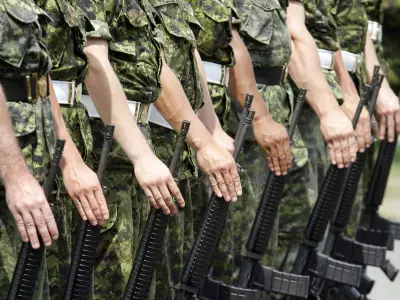
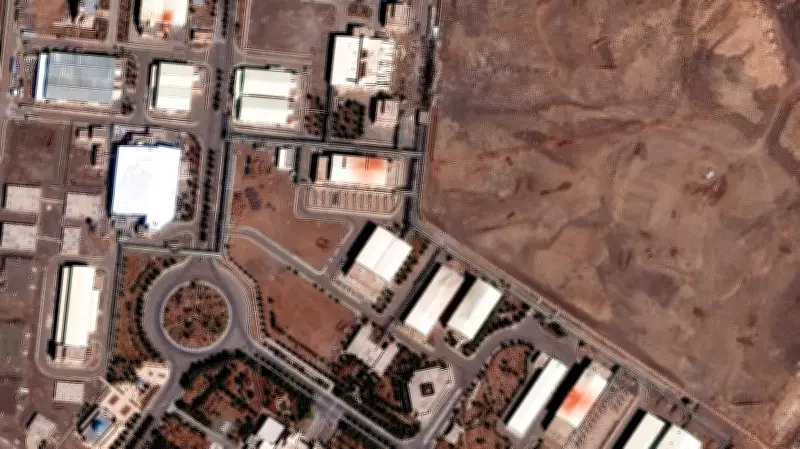
Intelligence sources suggest that the operation would likely involve elite military units targeting specific facilities where uranium is stored or processed. The goal is to physically remove or disable the enriched uranium, thereby delaying Iran's potential path to a nuclear weapon. This strategy reflects a more aggressive posture compared to previous sanctions and diplomatic pressures, which have had limited success in curbing Iran's nuclear ambitions.

Regional and Global Reactions
If executed, this operation could have significant repercussions for U.S.-Iran relations and broader Middle East dynamics. Iran has consistently denied any intentions to develop nuclear weapons, framing its uranium enrichment as part of a peaceful civilian energy program. A U.S. seizure of uranium would likely be viewed by Tehran as an act of aggression, potentially escalating tensions and triggering retaliatory measures.
International allies and adversaries are closely monitoring the situation. Countries like Israel and Saudi Arabia, which have expressed concerns about Iran's nuclear program, might support such an operation. Conversely, nations like Russia and China could condemn it as a violation of sovereignty, further complicating global diplomatic efforts. The United Nations and other international bodies may also weigh in, highlighting the delicate balance between non-proliferation goals and respect for national sovereignty.
Operational Challenges and Ethical Considerations
Planning a special operation of this scale involves numerous challenges, including:
- Intelligence accuracy on uranium locations and security measures
- Risk of military confrontation with Iranian forces
- Potential for civilian casualties or collateral damage
- Legal and ethical questions under international law
Experts note that while seizing uranium could temporarily hinder Iran's nuclear progress, it might also harden Tehran's resolve and lead to increased covert activities. Additionally, such an operation could strain U.S. resources and divert attention from other global security priorities.
In summary, the reported consideration of a special operation to seize Iranian uranium marks a pivotal moment in U.S. foreign policy. As discussions continue, the world watches to see if this bold strategy will be implemented, with implications for nuclear non-proliferation, regional stability, and international relations.