U.S. Intelligence Finds Iran's Leadership Stable Despite Sustained Military Campaign
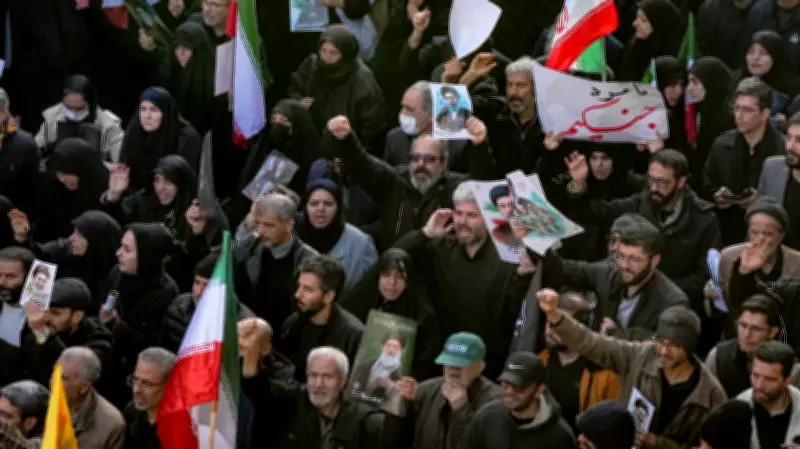
According to multiple sources familiar with recent U.S. intelligence assessments, Iran's leadership structure remains largely intact and is not at risk of imminent collapse following nearly two weeks of relentless U.S. and Israeli military strikes. Three anonymous sources with knowledge of the intelligence findings revealed that a "multitude" of reports provide consistent analysis indicating the regime maintains control over the Iranian public and faces no immediate danger of disintegration.
Intelligence Reports Underscore Leadership Cohesion
The latest intelligence assessment was completed within recent days and underscores the remarkable cohesion of Iran's clerical leadership despite the killing of Supreme Leader Ayatollah Ali Khamenei on February 28, which occurred during the initial phase of the military campaign. One source emphasized that while the situation remains fluid, current intelligence suggests the interim leadership that assumed power after Khamenei's death retains firm control of the country.
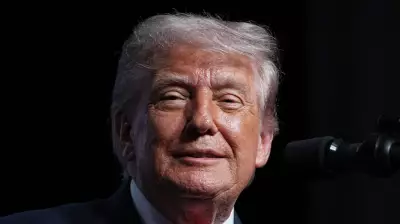
Israeli officials in closed discussions have similarly acknowledged uncertainty about whether the ongoing conflict will ultimately lead to the collapse of Iran's clerical government, according to a senior Israeli official who spoke to Reuters. This assessment comes as political pressure mounts over soaring oil costs, with President Donald Trump suggesting he will end what has become the largest U.S. military operation since 2003 "soon."

Succession and Military Control
Following Khamenei's death, the Assembly of Experts—a group of senior Shiite clerics—declared Khamenei's son, Mojtaba, as the new supreme leader earlier this week. Despite the loss of dozens of senior officials and high-ranking commanders from the Islamic Revolutionary Guard Corps (IRGC), including those killed in the strikes, U.S. intelligence indicates both the IRGC and interim leadership maintain control over the nation.
The IRGC represents an elite paramilitary force that controls substantial portions of Iran's economy, making its continued functionality crucial to regime stability. A fourth source familiar with the matter noted that Israel has no intention of allowing remnants of the former government to remain intact, though it remains unclear how the current military campaign could achieve governmental overthrow without a ground offensive that would enable safe public protests within Iran.
Shifting Objectives and Kurdish Limitations
The Trump administration has presented varying rationales for the war since its inception. While President Trump initially urged Iranians to "take over your government" when announcing the U.S. operation, top aides have since denied that regime change represents the primary objective. The administration has not ruled out deploying U.S. troops into Iran, which some analysts suggest might be necessary to create conditions for internal uprising.
Recent intelligence has also cast doubt on the capability of Iranian Kurdish groups based in neighboring Iraq to sustain meaningful resistance against Iranian security forces. Despite reports from Abdullah Mohtadi, head of the Komala Party of Iranian Kurdistan, claiming "tens of thousands of young people are ready to take up arms" with U.S. support, intelligence assessments indicate these groups lack sufficient firepower and numbers for sustained conflict.
Mohtadi reported receiving information from inside Iranian Kurdistan suggesting IRGC units and other security forces have abandoned bases and barracks due to fear of U.S. and Israeli strikes, describing "tangible signs of weakness in Kurdish areas." However, recent U.S. intelligence contradicts this assessment, and President Trump stated on Saturday that he had ruled out supporting Iranian Kurdish groups entering Iran.
The Office of the Director of National Intelligence, Central Intelligence Agency, and White House all declined to comment on the intelligence findings, while the Kurdish Regional Government governing the autonomous region of Iraqi Kurdistan where Iranian Kurdish groups are based did not immediately respond to requests for comment.