U.S. Military Unprepared to Escort Tankers Through Strait of Hormuz, Energy Secretary Says
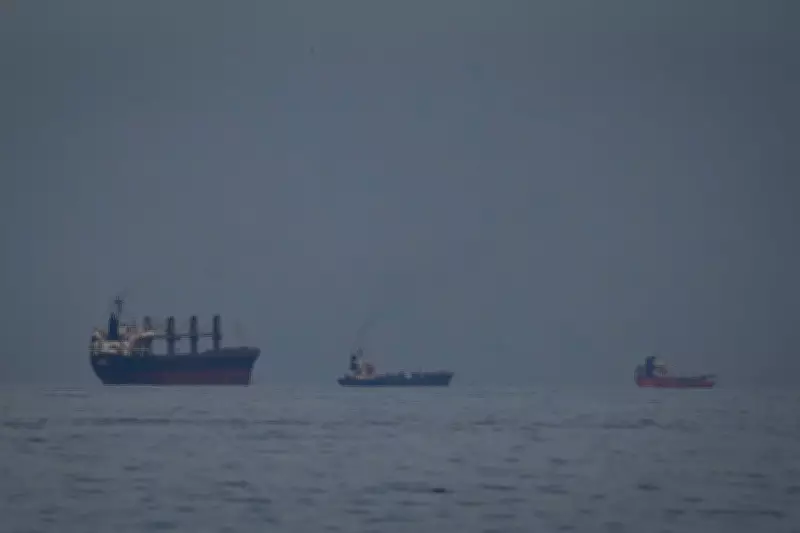
The United States military is currently not ready to provide escorts for commercial tankers navigating the strategically vital Strait of Hormuz, according to a statement from the U.S. Energy Secretary. This admission comes amid heightened tensions in the Middle East, particularly with Iran, which have effectively closed the strait to safe maritime passage.
Escalating Maritime Tensions
The conflict between the U.S. and Iran has escalated to the sea, with recent strikes targeting Iranian naval assets, including 16 minelayers operating near the Strait of Hormuz. U.S. Central Command has released video footage showing the destruction of aircraft in Iran, underscoring the intensity of the hostilities. The energy secretary warned that the U.S. might be "surprised" by Iran's capabilities, describing the nation as a "long-standing adversary" with significant strategic depth in the region.
Diverging Objectives in the Middle East
Analysts note that the objectives of the United States and its ally Israel in the Middle East conflict are not fully aligned, adding complexity to the situation. While both nations seek to counter Iranian influence, their approaches and end goals differ, potentially impacting coordinated military and diplomatic efforts. This divergence could further complicate security operations in critical waterways like the Strait of Hormuz.

Implications for Global Energy Security
The Strait of Hormuz is a crucial chokepoint for global oil shipments, with approximately one-fifth of the world's petroleum passing through it. The inability of the U.S. military to ensure safe passage for tankers raises significant concerns about energy security and could lead to:
- Increased volatility in global oil prices
- Disruptions to supply chains for importing nations
- Heightened risks for shipping companies and crews
The energy secretary's statement highlights a potential gap in U.S. preparedness to protect commercial interests in one of the world's most contested maritime regions. As tensions persist, the international community watches closely, aware that any escalation could have far-reaching consequences for global trade and stability.