A recent academic opinion suggesting Canada must prepare for potential U.S. military coercion has sparked debate, with experts largely viewing such a scenario as improbable but urging proactive measures in an unpredictable geopolitical climate.
The Provocative Scenario: A Failed Alberta Referendum
The discussion was ignited by an opinion piece from Thomas Homer-Dixon and Adam Gordon of the Cascade Institute at Royal Roads University. They posed a hypothetical situation where a failed independence referendum in Alberta garners significant support. In their scenario, a potential second Trump administration could deem the result illegitimate, station troops in northern Montana, and insist Alberta be allowed to join the United States as the 51st state.
The authors argue this is not entirely far-fetched, pointing to Donald Trump's past interventions in Venezuela, Iran, and Syria, his bluster about acquiring Greenland, and a pattern of establishing "coercive hegemony." Their warning, published in January 2026, calls for national preparedness.

Expert Analysis: Why Military Action Is a Remote Possibility
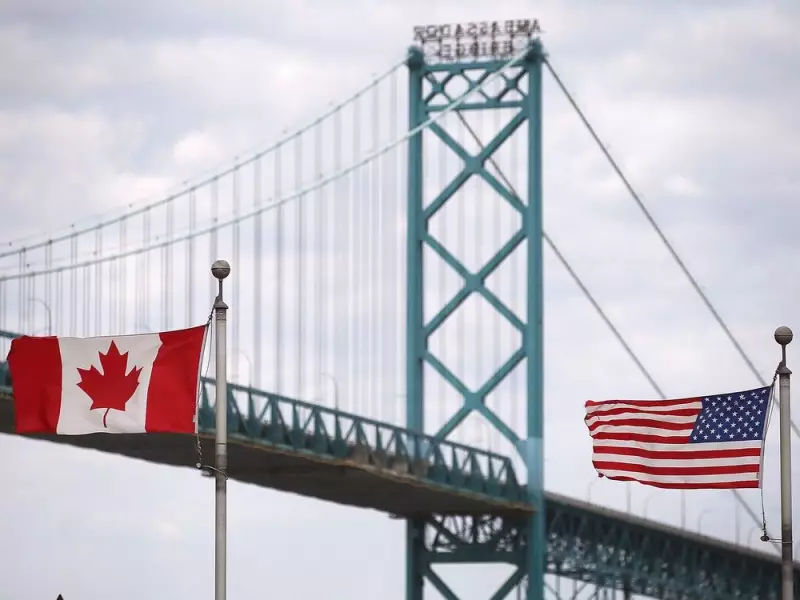
University of Windsor political science professor Jamey Essex offered a counterpoint, suggesting that while the political imagination has expanded, military coercion remains highly unlikely. He emphasized the unique nature of the Canada-U.S. relationship, characterized by the longest undefended border in the world and deep historical ties.
"Military coercion is one of those things that it's hard to imagine," Essex stated. He acknowledged that Trump's behavior has forced nations to "imagine things that we thought we might never have to think about," making the idea seem more plausible than in the past. However, he stressed that plausibility does not equate to realism.
Essex argued that events in distant countries, while flagrant, are fundamentally different from a scenario requiring multiple systemic failures within Canada itself. The more viable and likely tool for a U.S. administration, according to Essex, would be economic coercion. This approach would allow a president to apply significant pressure without the domestic and international backlash of a military incursion.
A Call for Realistic Vigilance and Preparation
Former Detroit Free Press editor and Windsor Star columnist Randy Essex (no relation to Jamey Essex) echoed the sentiment of improbability, calling the idea of U.S. military action "ridiculous." Yet, he highlighted the concerning precedent set by Trump's own words, citing a reported statement to the New York Times where Trump said, "I don't need international law," suggesting the only check on his power is his own morality.
The consensus among analysts suggests that while a direct military threat is considered a remote contingency, the very discussion underscores a shifting paradigm. The core takeaway is not to fear an invasion, but to recognize that traditional diplomatic and economic levers may be applied more aggressively. This necessitates proactive steps in fortifying Canada's economic resilience, political unity, and strategic diplomatic posture.
The debate serves as a reminder for Canadian policymakers and the public to critically assess dependencies and vulnerabilities in the bilateral relationship, ensuring sovereignty is backed by concrete planning and not merely historical goodwill.