Hungary's Political Landscape Transformed as Peter Magyar Defeats Viktor Orban
In a stunning electoral upset that has reverberated across Europe, Hungary's longtime Prime Minister Viktor Orban has been unseated by opposition leader Peter Magyar. The landmark parliamentary election, held on April 12, 2026, marks a dramatic shift in Hungarian politics after years of Orban's dominant rule.
A New Political Era Begins
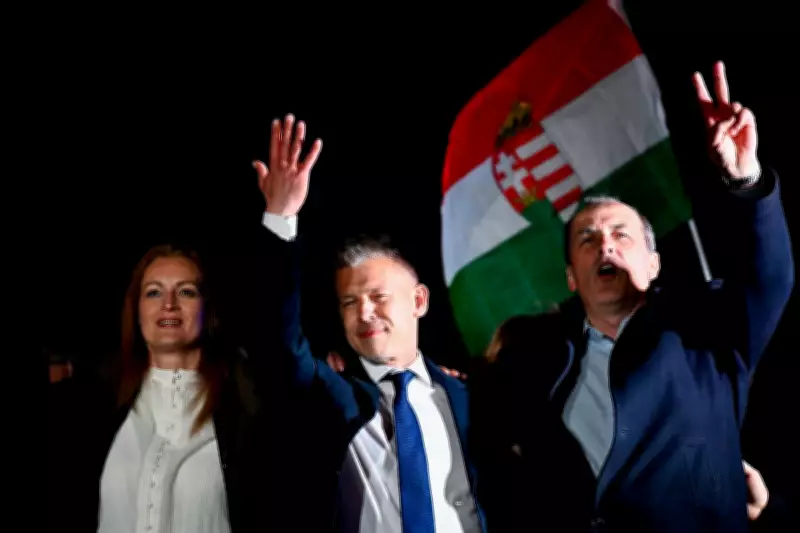
Peter Magyar, leader of the opposition Tisza party, celebrated with colleagues in Budapest as partial results confirmed his victory. The election represents a remarkable reversal for Magyar, who was once inspired by Orban's political approach but ultimately became his most formidable challenger. This outcome ends Orban's extended tenure and signals a potential reorientation of Hungary's domestic and foreign policies.
The victory celebration in Budapest was marked by both jubilation and historical significance. Supporters gathered outside party headquarters as the results came in, recognizing the magnitude of this political transition. Magyar's Tisza party managed to mobilize voters across demographic lines, capitalizing on growing dissatisfaction with Orban's administration.

From Inspiration to Opposition
What makes this political shift particularly noteworthy is Magyar's previous alignment with Orban's political philosophy. Once an admirer of the prime minister's approach, Magyar gradually distanced himself and ultimately emerged as the leading voice of opposition. His campaign focused on promises of greater transparency, institutional reforms, and a reexamination of Hungary's international relationships.
The election results have been described by political analysts as potentially transformative for Central European politics. Orban's government had become known for its conservative policies, strained relationships with European Union institutions, and close ties with Russia. Magyar's victory suggests Hungarian voters sought change after years of political continuity.
International Implications and Domestic Expectations
The transition of power in Hungary comes at a critical moment for European politics. As Magyar prepares to assume leadership, international observers are watching closely to see how his administration will approach:
- Relations with the European Union and NATO
- Economic policies and foreign investment
- Constitutional and judicial reforms
- Media freedom and civil liberties
Domestically, Magyar faces significant challenges in implementing his agenda while managing expectations from diverse constituencies. The new government will need to address economic concerns, social issues, and the complex legacy of Orban's lengthy administration.
A Watershed Moment in Hungarian Democracy
This election represents more than just a change in leadership—it signifies a potential reawakening of Hungarian democratic institutions. The peaceful transfer of power through electoral means demonstrates the resilience of Hungary's political system, even after years of concentrated authority under Orban's government.
As Peter Magyar begins forming his government and outlining policy priorities, both Hungarians and international partners await concrete indications of how his administration will differ from its predecessor. The coming months will reveal whether this political shift represents temporary dissatisfaction or a more fundamental realignment of Hungarian politics.