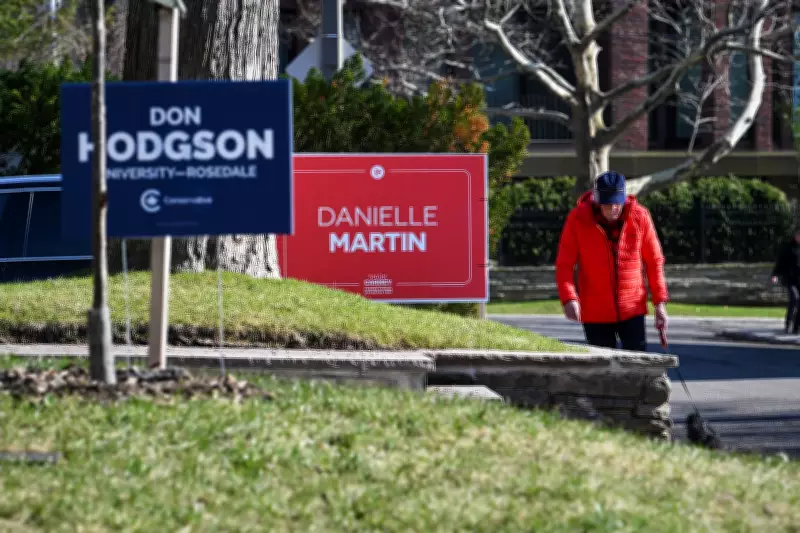
Toronto voters are casting their ballots in two critical federal byelections today, with the outcomes poised to potentially secure a majority government for Prime Minister Mark Carney's Liberal Party. These contests, held in the ridings of University-Rosedale and another unspecified Toronto constituency, represent a pivotal moment in Canadian politics, as a Liberal victory could solidify Carney's mandate and influence legislative agendas for the remainder of his term.
Why These Byelections Matter
The byelections come at a time of heightened political activity across Canada, with issues ranging from economic policy to environmental regulations dominating public discourse. A Liberal majority would empower the government to pass key legislation without relying on opposition support, potentially accelerating initiatives in areas such as healthcare, climate change, and social programs. The final day of campaigning saw intense efforts from all major parties, underscoring the high stakes involved.
Broader Political Context
These Toronto byelections are not isolated events but part of a larger national narrative. Recent developments include Christine Fréchette becoming Quebec's new premier and ongoing leadership races within provincial parties like the B.C. Conservatives. The results in Toronto could signal voter sentiment ahead of future elections, impacting strategies for both the Liberals and their rivals. Additionally, the byelections highlight the importance of urban ridings in shaping federal power dynamics, with Toronto often serving as a bellwether for broader political trends.

Implications for Governance
If the Liberals secure a majority, it would mark a significant shift in Parliament, enabling smoother passage of budgets and policies. This could lead to faster implementation of campaign promises, such as investments in renewable energy or reforms to the justice system. Conversely, a loss or narrow win might force the government to seek compromises, potentially slowing down its agenda. The byelections also reflect ongoing debates over issues like economic indicators, public health, and constitutional matters, with voters weighing these factors at the polls.
As Toronto residents participate in this democratic process, the eyes of the nation are fixed on the outcomes, which will undoubtedly influence Canada's political trajectory in the coming years. The results, expected tonight, will reveal whether Prime Minister Carney's Liberals can capitalize on this opportunity to strengthen their hold on power.