Foreign Aid Organizations Call on Canada to Sustain Critical Funding for Reproductive Health and LGBTQ+ Rights
International humanitarian groups are issuing a strong appeal to the Canadian government, urging it to maintain and potentially increase its financial commitments to abortion services and LGBTQ+ advocacy initiatives in developing nations. This call to action comes amid growing concerns over the withdrawal of support from other major donors, which has left vulnerable populations in dire straits.
The Impact of Aid Cuts on Global Health Services
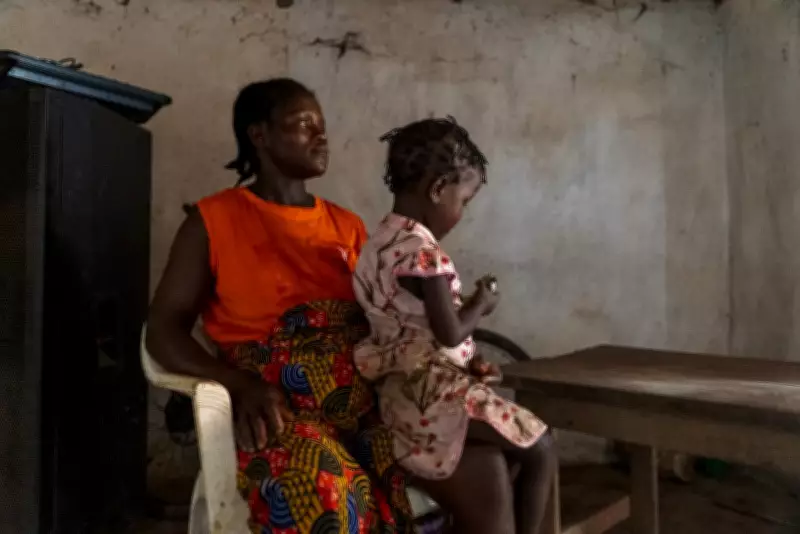
The recent reduction in foreign assistance from countries like the United States has created significant gaps in healthcare delivery across many regions. In Liberia, for instance, medical facilities are struggling to cope with the sudden loss of funding that previously supported essential health care, medication distribution, and basic community services. The consequences are stark and immediate for individuals like Gbango Kemu, a 36-year-old Liberian woman who became pregnant after being unable to access contraceptives due to these funding shortages.
"The ripple effects of aid cuts are devastating," explained a representative from a coalition of non-governmental organizations. "When funding for reproductive health services dries up, it doesn't just affect abortion access—it undermines entire healthcare systems, leaving women and marginalized communities without critical support."

Canada's Role in Global Health and Human Rights Advocacy
Canada has historically positioned itself as a leader in promoting gender equality and human rights through its international development programs. The current appeal from aid groups emphasizes that maintaining this leadership requires consistent financial backing for programs that provide:
- Comprehensive reproductive health services, including safe abortion access
- Support for LGBTQ+ communities facing discrimination and violence
- Educational initiatives promoting gender equality and sexual health
- Capacity building for local healthcare providers in underserved regions
Advocates argue that Canada's continued investment in these areas is not just a matter of policy consistency but a moral imperative. They point to research showing that when countries like Canada step back from funding these services, the most vulnerable populations—particularly women, girls, and LGBTQ+ individuals—bear the heaviest burden.
The Broader Context of International Development Funding
The appeal from foreign aid groups comes at a time when global development assistance is facing multiple pressures, including geopolitical tensions, economic uncertainties, and shifting domestic priorities in donor nations. Despite these challenges, organizations working on the ground emphasize that the need for support has never been greater.
In Liberia alone, healthcare providers report that the reduction in international aid has forced them to scale back services dramatically, leaving many without access to basic medical care. Stories like that of Gbango Kemu and her daughter Garmah illustrate the human cost of these funding gaps—costs that advocates say Canada has both the capacity and responsibility to help address through sustained financial commitment.
As the international community grapples with complex humanitarian challenges, the message from aid organizations is clear: Canada must not waver in its support for reproductive rights and LGBTQ+ advocacy abroad. The health and dignity of millions depend on it.