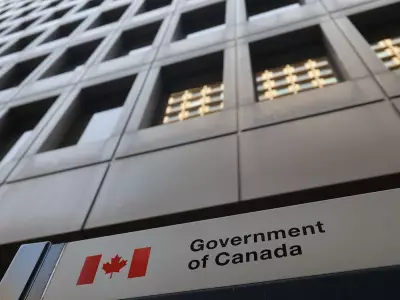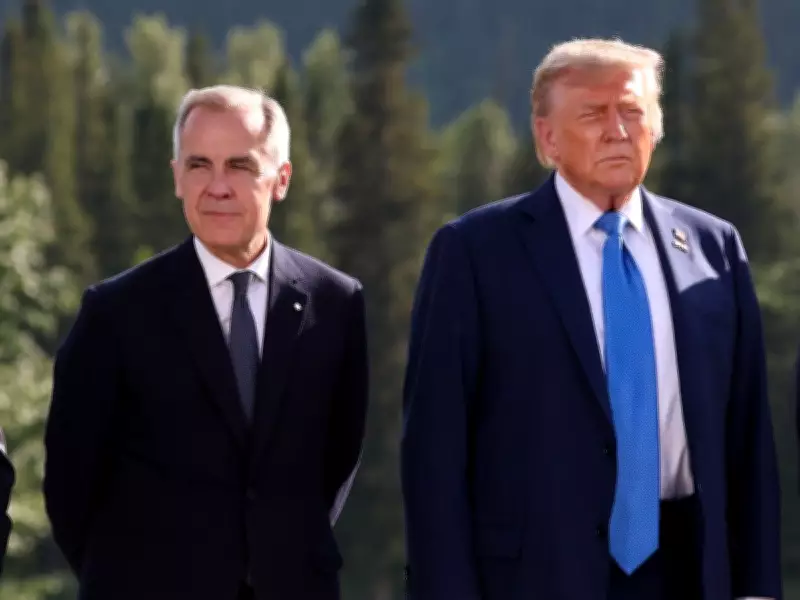
WASHINGTON, D.C. — Canadians are growing weary of U.S. President Donald Trump's frequent use of the term "tariffs," but they may need to prepare for additional trade measures. The United States Trade Representative (USTR) last month launched investigations into 60 economies, including Canada, under Section 301(b) of the Trade Act of 1974. These probes aim to determine whether these countries have failed to enforce a ban on imports produced with forced labour.
Canada's Forced Labour Laws Under Scrutiny
Canada is grouped with China and dozens of other nations in an investigation into whether Ottawa's forced-labour rules are adequate for screening goods tied to forced or child labour. Hearings are being held this week in Washington, and trade observers anticipate actions against most countries under review. The resulting duties could help rebuild Trump's tariff wall, originally constructed under the International Emergency Economic Powers Act (IEEPA) but dismantled by the U.S. Supreme Court in February.
Prime Minister Mark Carney has expressed frustration with U.S. tariffs, labeling them violations of the Canada-U.S.-Mexico Agreement (CUSMA). "You know what's an irritant? A 50 per cent tariff on steel and aluminum, 25 per cent on automobiles, all of the tariffs on forest products. Those are more than irritants. Those are violations of our trade deal," Carney said last Thursday.

Potential Impact on Canadian Trade
Carney was referring specifically to Section 232 tariffs on those products, most of which were imposed last year. The IEEPA tariffs and their temporary replacement under Section 122 have contained exemptions, meaning CUSMA-compliant goods have so far escaped those duties. However, the Section 301 probe could change this. Trade watchers in Washington expect Canada to face 301 tariffs following the investigation.
"They're probably going to use that as the basis for creating a new baseline tariff," said Inu Manak, senior fellow for international trade at the Council on Foreign Relations. "So that's sort of replicating the tariff wall that came with IEEPA, and then also using the Section 301 to enforce commitments that are made in other agreements." Manak added, "The outcome of those 301s is already well-known: We're expecting tariffs, regardless of what the investigation shows."
Carney Defends Canada's Legal Framework
The prime minister responded to the launch of the 301 probe by defending Canada's anti-forced labour laws. "Canada has a comprehensive legal framework around that... and we take it very seriously," he said. Nonetheless, the broader question remains whether the duties will impact Canada's trade more significantly than previous tariffs, particularly by including CUSMA-compliant products. Some trade watchers point to last year's carveouts as signals that the White House understands the potential economic disruption, and they assume any 301 tariffs will carry CUSMA exemptions.