Canada has firmly rejected former U.S. President Donald Trump's allegations of forced labour, stating there is no basis for the threatened tariffs. The Canadian government, in a statement released on July 8, 2026, emphasized that the accusations are unfounded and could harm bilateral trade relations.
Government Response to Tariff Threats
According to a spokesperson for Global Affairs Canada, the government has reviewed the claims and found no evidence to support the allegations. The spokesperson said, 'Canada has robust labour laws and enforcement mechanisms. These accusations are without merit and risk undermining the trust between our two countries.'
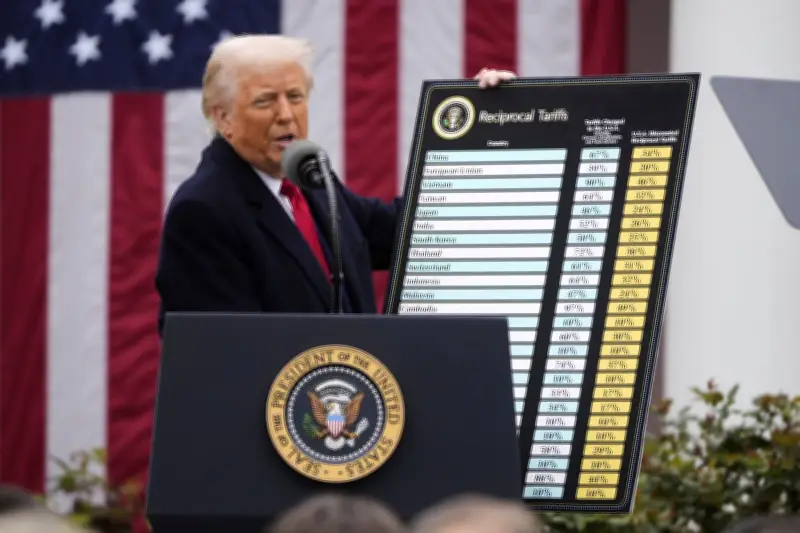
The tariffs, which Trump proposed during his campaign, target goods allegedly produced using forced labour. Canada is one of the U.S.'s largest trading partners, and such measures could disrupt supply chains and increase costs for businesses on both sides of the border.

Impact on Trade and Economy
The Canadian Press reports that the threat of tariffs has already caused shipping prices to surge as companies rush to move goods ahead of potential duties. John Corey, president of the Freight Management Association of Canada, noted that the uncertainty is driving up costs for international shipping, affecting everything from raw materials to consumer goods.
Canada exported over $400 billion in goods to the U.S. in 2025, making the American market critical for Canadian industries. Any disruption could have significant economic repercussions, particularly for sectors like automotive, agriculture, and manufacturing.
Historical Context of Trade Disputes
This is not the first time Trump has targeted Canada with tariffs. During his previous term, he imposed duties on Canadian steel and aluminum, citing national security concerns. Those measures were eventually lifted after the United States-Mexico-Canada Agreement (USMCA) was renegotiated. However, the forced labour tariffs represent a new front in the ongoing trade tensions.
Canadian officials have indicated they are prepared to retaliate if the tariffs are imposed, potentially targeting U.S. goods such as dairy products, wine, and manufactured items. The Canadian government has also signaled a willingness to take the dispute to international bodies like the World Trade Organization (WTO).
Reactions from Business and Labour Groups
Business groups in Canada have expressed concern over the potential economic fallout. The Canadian Chamber of Commerce called for a diplomatic resolution, warning that a trade war would hurt workers and consumers in both countries. Labour unions, meanwhile, have backed the government's stance, arguing that Canadian workers are protected by strong labour standards.
The Freight Management Association's Corey added, 'We are seeing rates climb by as much as 20% on some routes as companies try to get ahead of the tariffs. This is creating a volatile environment for businesses that rely on cross-border trade.'
Next Steps in the Dispute
The Canadian government has pledged to continue diplomatic efforts to resolve the issue. Prime Minister Mark Carney is expected to raise the matter during his meeting with allied nations at the NATO summit in Türkiye. Meanwhile, the U.S. has not yet set a date for implementing the tariffs, leaving room for negotiation.
Canada remains committed to defending its interests and maintaining strong trade ties with the United States, but officials warn that baseless accusations will not be tolerated. The situation remains fluid, with both sides watching closely for the next move.