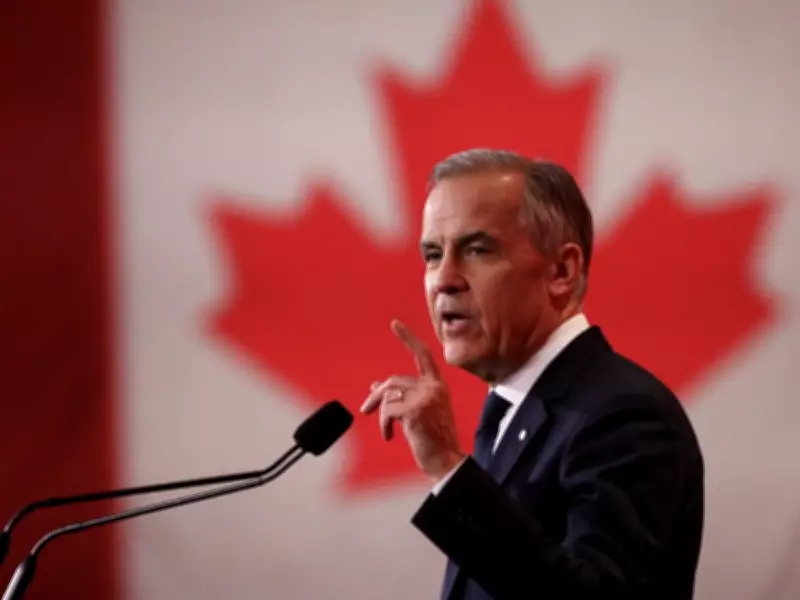
Carney on the Brink of Majority Government as Voters Head to the Polls in Federal Byelections
Prime Minister Mark Carney is just one seat away from achieving a majority government as Canadians cast their votes in three critical federal byelections today. The Liberal Party, led by Carney, needs to secure only one of the three available ridings to establish a slim majority in Parliament. Political analysts highlight that the Liberals are heavy favourites in two Toronto constituencies, bolstering their chances of clinching the necessary victory. This electoral event marks a pivotal moment for Carney's administration, which has been navigating complex policy landscapes since taking office.
Canada's Defence Spending Under Fire Despite NATO Claims
Despite official government press releases asserting that Canada's defence budget meets NATO's target of two percent of GDP, significant concerns persist about the nation's military readiness. Critics argue that Ottawa's claims mask underlying deficiencies, with allies and adversaries alike questioning Canada's commitment to defence. A recent Full Comment podcast delves into this issue, revealing that while public statements suggest progress, operational challenges and funding gaps continue to plague the defence sector. This scrutiny comes amid growing geopolitical tensions, emphasizing the need for robust national security measures.
UK Conservatives Seek Guidance from Pierre Poilievre's Team
In a surprising political development, Britain's Conservative Party is turning to Canadian Conservative Leader Pierre Poilievre for advice as they trail Reform UK in the polls. The UK Tories aim to avoid a prolonged schism similar to the one that contributed to the historic defeat of Canada's Progressive Conservatives in the 1993 federal election. Poilievre, who recently made his first international trip as Opposition leader, has garnered attention for his strategic insights, with UK officials hoping to leverage his experience to revitalize their campaign efforts and unify right-wing factions.

Judge Criticizes Montreal Prosecutors for Lenient Sentencing Practices
A Quebec judge has accused Crown prosecutors in Montreal of proposing excessively lenient sentences, often described as "candy" sentences, for non-citizens convicted of crimes to prevent their deportation from Canada. The judge alleges that this practice has created an "unnecessary" two-tier sentencing system, where non-Canadians receive absolute discharges or lighter penalties compared to citizens. This controversy raises questions about judicial fairness and immigration policies, sparking debates on how the legal system balances rehabilitation with public safety and deportation risks.
Public Opinion on Israel Remains Divided in Canada, Poll Shows
According to a new Leger poll, efforts by critics of Israel have largely failed to sway Canadian public opinion, with the majority of respondents holding nuanced views. The survey indicates that 80 percent of Canadians agree that the Jewish people have a right to a homeland, and three-quarters believe Israel has a right to defend itself. However, the poll also finds that Canadians currently hold generally unfavourable views of Israel, highlighting a complex and polarized landscape. This data underscores the ongoing debates surrounding international relations and human rights in Canadian discourse.
These stories collectively paint a picture of a nation at a crossroads, with political, defence, and social issues taking center stage. As the byelections unfold, the outcomes could reshape Canada's governmental dynamics, while ongoing controversies in defence and justice systems demand urgent attention from policymakers and the public alike.