Carney Government's Benign Stance on China, India Raises Security Alarms
It defies belief that China and India—despite their persistent denials—have ceased foreign interference in Canada, simply because the federal government is now led by Prime Minister Mark Carney instead of Justin Trudeau. The fact that the Carney administration is downplaying these grave concerns suggests a willingness to pursue lucrative trade agreements at the potential expense of Canadian safety and democratic integrity.
Foreign Interference Commissioner's Findings
Foreign interference commissioner Marie-Josee Hogue identified China as "the most active perpetrator of foreign interference targeting Canada’s democratic institutions" in her final report last year, noting that it "views Canada as a high-priority target." Similarly, the inquiry described India as "the second-most active country engaging in electoral foreign interference in Canada." These stark assessments highlight ongoing threats that cannot be ignored.
Historical Warnings and Current Agreements
As early as 2019, Trudeau was warned by the all-party National Security and Intelligence Committee of Parliamentarians that China, through its National Intelligence Law, compels all Chinese companies and citizens—"regardless of whether or not they are also citizens of other countries"—to cooperate with China’s intelligence and security agencies globally. The inquiry detailed how China targets 1.8 million Canadians of Chinese origin, using methods like flattery, bribery, manipulation, and threats to influence government decisions at all levels.

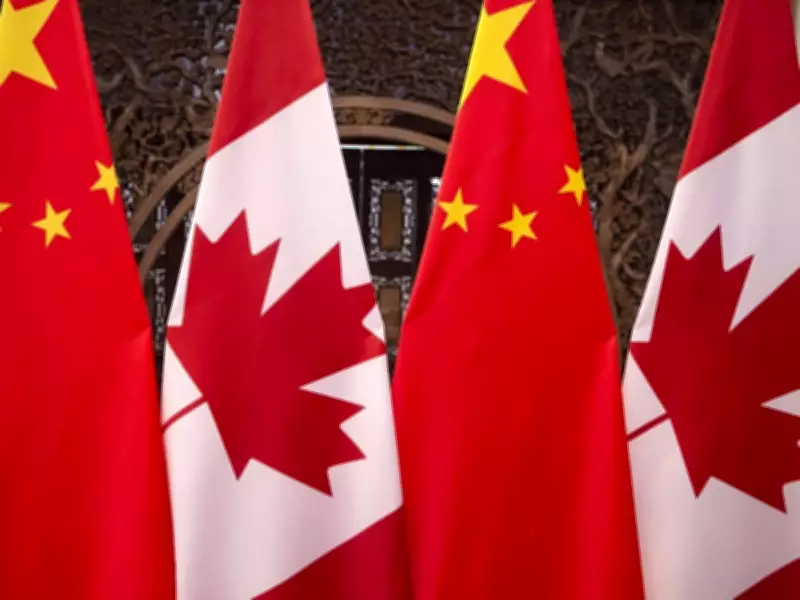
In a concerning development, the Carney government has recently secured a trade deal with China following Carney’s trip to meet President Xi Jinping, alongside an agreement ostensibly aimed at combating crime as part of a "new strategic partnership." This move occurs despite past incidents, such as Trudeau expelling six senior Indian diplomats in 2024 after Canada accused the Indian government of involvement in the extra-judicial killing of Canadian separatist Sikh leader Hardeep Singh Nijjar in British Columbia.
Shifting Positions and Security Implications
Prior to Carney’s recent trip to India to meet with Prime Minister Narendra Modi, a senior Canadian government official claimed India no longer engages in such activities, and the head of the RCMP stated last week that there is no longer evidence of Indian government involvement. However, the RCMP had previously alleged agents of the Indian government were involved in "serious criminal activity" in Canada, including more than a dozen "credible and imminent" death threats.
While China and India continue to deny all wrongdoing, these new positions adopted by the Carney government defy common sense and raise critical questions about national security priorities. The pursuit of economic gains must not come at the cost of safeguarding Canadian institutions and citizens from foreign interference.