Editorial: High-Flying Carney Must Maintain Focus on Home Front
Prime Minister Mark Carney's extensive international travel schedule during his first month in office is raising legitimate concerns about whether Canada's leader is dedicating sufficient attention to pressing domestic matters. While foreign engagement remains crucial for any national leader, the balance between global diplomacy and home governance appears increasingly precarious.
A Packed International Calendar
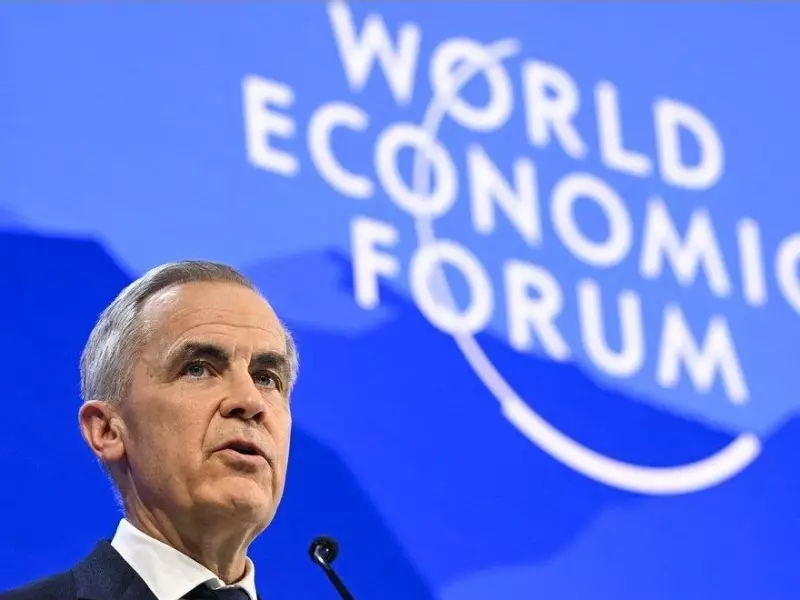
According to reports from Canadian Press, Carney has already visited France, China, Qatar, and Switzerland in January alone, with plans indicating significant international travel throughout the coming year. This ambitious schedule follows his recent appearance at the World Economic Forum in Davos, where he delivered a speech on January 20, 2026.
We acknowledge that certain foreign trips represent mandatory commitments for any Canadian prime minister, including participation in G20, G7, and NATO meetings. Furthermore, international engagement aligns with Carney's stated long-term objective of doubling Canada's non-U.S. exports over the next decade, a goal requiring substantial diplomatic groundwork.

Mounting Domestic Challenges
However, this travel-intensive approach emerges during a period of significant domestic uncertainty. Norman Spector, a former senior Canadian diplomat and chief of staff to Brian Mulroney, recently highlighted on social media platform X what he describes as "the most serious threat to national unity in our lifetimes."
Spector specifically referenced several converging factors:
- The Parti Québécois leading in polls ahead of Quebec's fall election, with promises to hold a separation referendum if victorious
- A citizen-initiated separation movement gaining momentum in Alberta
- The Trump administration's apparent interest in Alberta's potential independence, exemplified by U.S. Treasury Secretary Scott Bessent describing Alberta as a "natural partner for the US"
Specific Policy Challenges Requiring Attention
Beyond national unity concerns, several concrete policy issues demand prime ministerial focus:
- Energy Infrastructure: Alberta's persistent need for a new oil pipeline to British Columbia tidewater requires federal leadership and negotiation.
- Quebec Relations: Carney's recent historical reference to the Battle of the Plains of Abraham as "the start of a great deal for French Canada" has provided ammunition for separatist critics, including Bloc Québécois Leader Yves-François Blanchet.
- Trade Uncertainty: The looming renegotiation of the Canada-U.S.-Mexico Agreement creates economic instability requiring careful navigation.
- Domestic Economic Pressures: Food inflation and other household financial concerns continue to impact Canadian families nationwide.
Balancing Global and Domestic Responsibilities
While Carney's extensive international experience from his pre-political career undoubtedly informs his approach to global engagement, effective governance requires maintaining equilibrium between foreign diplomacy and domestic stewardship. The prime minister's travel itinerary must reflect this balance, ensuring that international ambitions don't overshadow urgent homegrown challenges.
Public opinion polls currently indicate most Albertans and Quebecers prefer remaining within Confederation, but maintaining this sentiment requires active federal engagement and responsive leadership. As Carney plans his international movements throughout 2026, he would be wise to remember that sustainable global influence begins with domestic stability and national cohesion.