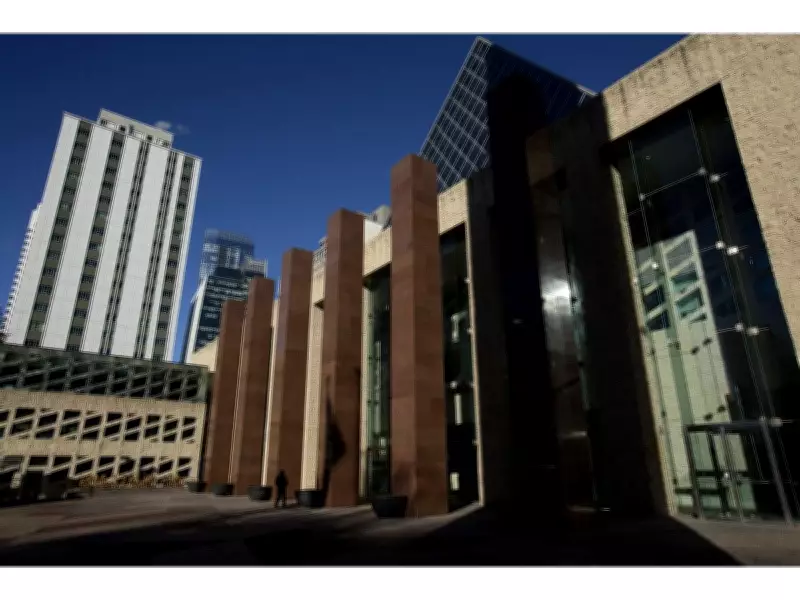
Edmonton city council officially passed the 2026 tax bylaw on Tuesday, confirming a 6.9 per cent tax levy increase for residential properties that was initially proposed earlier this month. The decision finalizes the tax rates for over 400,000 properties in the city, with annual tax notices scheduled to be mailed out on May 25. Property owners must pay their taxes by June 30 to avoid penalties.
The 6.9 per cent increase translates to an additional $53 per year for every $100,000 of a home's assessed value, meaning homeowners will now pay approximately $774 per $100,000 in municipal taxes. For a typical single detached home assessed at $492,500, the monthly municipal tax bill will be around $318, according to the city.
The total municipal tax levy amounts to more than $2.5 billion, which will fund city services including parks, trails, roads, transit, attractions, and other community supports. The tax rate is calculated by dividing the total budget requirement (the tax levy) by the total assessed value of all properties in Edmonton.

In addition to municipal taxes, property owners also pay education property taxes on behalf of the provincial government. This year, the education portion increased by 10.2 per cent for residential properties and 2.6 per cent for non-residential properties. For a typical single detached home, the education tax adds about $108 per month, representing 25 per cent of the combined property tax bill of $426. These funds are directed to Alberta's schools.
The city noted that individual property tax bills will vary based on property assessments. Residents can find detailed information on residential and non-residential tax rates on the city's website at edmonton.ca/Taxes.
The tax bylaw passage comes after earlier discussions and public consultations. City officials emphasized that the increase is necessary to maintain current service levels and address growing infrastructure needs. The 2026 budget includes investments in road maintenance, public transit, and community facilities.
Property owners are encouraged to review their assessment notices and contact the city if they have questions or concerns about their tax bill. Payment options include online banking, pre-authorized payment plans, and in-person payments at designated locations.