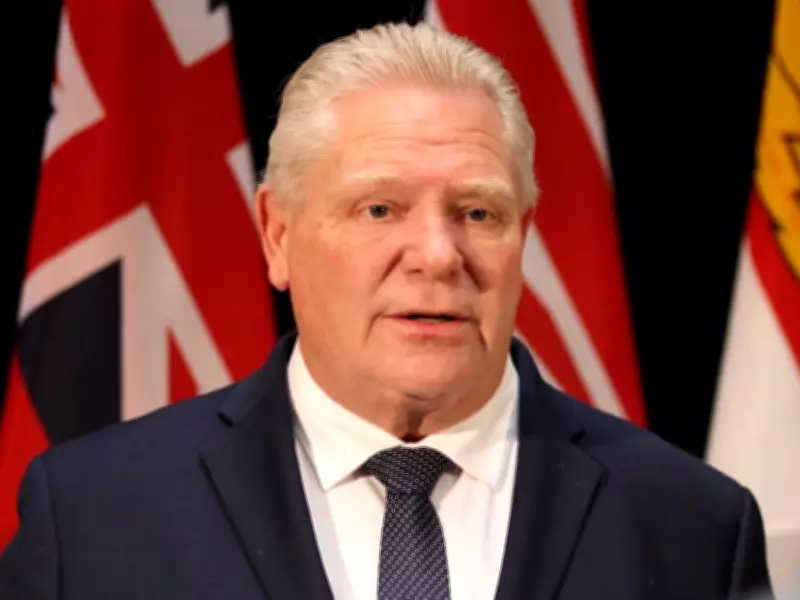
Ontario Premier Doug Ford has stirred controversy by suggesting that "sleeper cells" might be operating within Canada, during a press conference addressing recent shootings targeting synagogues and the U.S. consulate in Toronto. However, Ford emphasized that this view is his personal opinion and not supported by police intelligence, yet he called for authorities to "weed these people out and hold them accountable," advocating for life imprisonment.
What Are Sleeper Cells?
Sleeper cells are small, covert groups of operatives or terrorists who infiltrate a target country and live seemingly ordinary lives for extended periods, often months or years. They blend into society by holding jobs and raising families, remaining dormant until activated by handlers to carry out missions such as espionage, attacks, or sabotage. These cells typically operate independently, using secure technology to avoid detection and maintain minimal contact with sponsoring entities like Iran or al-Qaeda.
RCMP Response and Investigation
The Royal Canadian Mounted Police (RCMP) has responded to Ford's claims by stating they lack specific information on the existence of sleeper cells in Canada. RCMP Chief Superintendent Chris Leather commented, "I don't have any information to provide at this time on any sleeper cells that may or may not exist in Canada." Despite this, the RCMP, along with CSIS and Integrated National Security Enforcement Teams, are actively investigating related matters nationwide and have heightened security at embassies and consulates in Toronto and Ottawa to monitor potential threats.

Historical Context of Sleeper Cells
Historically, sleeper cells in North America have been rare, with few confirmed cases of dormant agents being activated for attacks. Notable examples include Soviet-era spies like Rudolph Abel, a KGB operative who entered the U.S. in 1948, lived undercover as an artist, and coordinated nuclear espionage networks, including involvement with Julius and Ethel Rosenberg. More recently, in 2020, the FBI arrested alleged Hezbollah Unit 910 members for surveilling U.S. infrastructure, and the Farhad Shakeri Network involved IRGC assets plotting against critics and political figures.
Broader Implications and Ongoing Concerns
Ford's remarks highlight ongoing national security concerns in Canada, particularly in light of recent violent incidents. While the RCMP continues its investigations without confirming sleeper cell presence, the discussion underscores the challenges in balancing public safety with evidence-based policing. The situation remains fluid as authorities work to address potential threats and maintain vigilance in urban centers like Toronto.