Former Prince Andrew Arrested by U.K. Police on Suspicion of Misconduct
In a dramatic turn of events, the Duke of York, formerly known as Prince Andrew, has been arrested by United Kingdom police forces. The arrest, which occurred on the morning of February 19, 2026, is linked to suspicions of misconduct, though specific details of the allegations have not been fully disclosed by authorities at this time.
Police Statement and Official Response
The Metropolitan Police Service issued a brief statement confirming the arrest, stating that a man in his 60s was taken into custody in connection with an ongoing investigation. While the police did not name the individual directly, multiple sources have identified him as the former Prince Andrew, who stepped back from royal duties in recent years following previous controversies.
The arrest marks a significant escalation in legal scrutiny surrounding the royal figure, who has faced numerous allegations and public scrutiny over the past decade. Legal experts suggest this development could have far-reaching implications for both the monarchy and ongoing investigations into related matters.

Context and Background
Prince Andrew, the third child of Queen Elizabeth II and Prince Philip, has been a controversial figure in British public life for several years. His association with convicted sex offender Jeffrey Epstein and subsequent civil lawsuit in the United States had already damaged his reputation and led to his withdrawal from public royal duties.
This latest development comes at a sensitive time for the British monarchy, which has been working to modernize its image and address various challenges to its traditional role in contemporary society. The arrest of a senior royal, even one who has stepped back from official duties, represents an unprecedented situation in modern British history.
Legal Proceedings and Next Steps
According to legal analysts familiar with the case, the former prince will likely be questioned extensively by investigators before any potential charges are filed. The standard procedure in such cases involves:
- Initial detention and questioning at a police facility
- Review of evidence by the Crown Prosecution Service
- Potential release on bail pending further investigation
- Possible formal charges if sufficient evidence is gathered
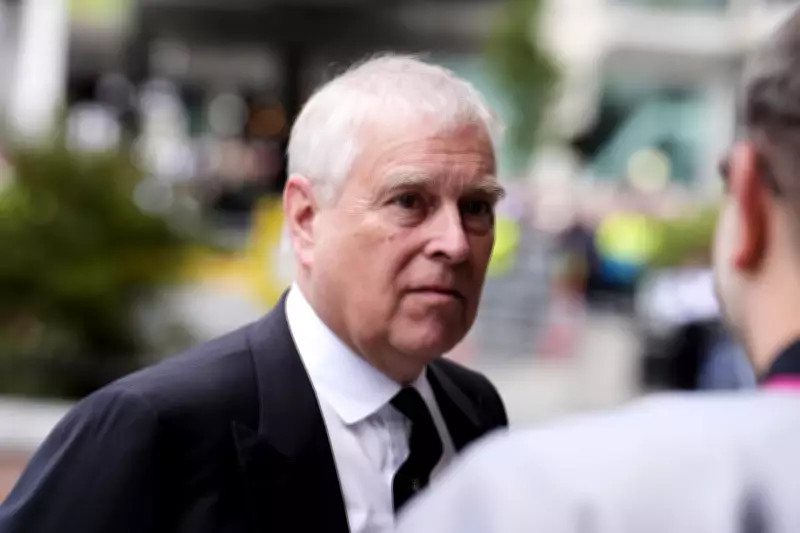
The timing of this arrest is particularly notable, occurring just months after Andrew attended the funeral of the Duchess of Kent in September 2025, one of his few public appearances since stepping back from royal duties. Photographs from that event showed the former prince arriving at Westminster Cathedral, appearing solemn but otherwise unremarkable in his demeanor.
Broader Implications
This development is likely to reignite public debate about accountability within the royal family and the relationship between the monarchy and the legal system. Constitutional experts note that while royals are not above the law in theory, there are complex protocols governing how they interact with the justice system in practice.
The arrest also comes amid broader discussions about institutional accountability and transparency in British society. As the investigation progresses, observers will be watching closely to see how both the royal family and the legal system navigate this unprecedented situation involving a former senior member of the monarchy.