Senate Confirms Markwayne Mullin to Lead Homeland Security Amid Growing Crisis
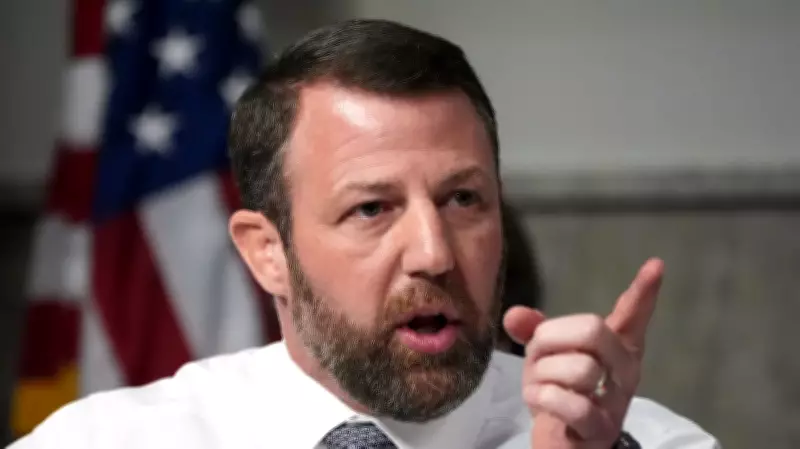
The United States Senate has officially confirmed Senator Markwayne Mullin, a Republican from Oklahoma, to serve as the Secretary of the Department of Homeland Security. This confirmation comes at a critical juncture, as the agency grapples with a severe internal crisis over immigration enforcement policies. The situation has already precipitated a partial shutdown of the department and widespread chaos at airports across the nation, underscoring the urgent need for stable leadership.
Confirmation Vote and Political Dynamics
The Senate approved Mullin's nomination by a vote of 54 to 45, with Democratic Senators John Fetterman of Pennsylvania and Martin Heinrich of New Mexico breaking ranks to join all Republicans in support. This bipartisan backing was notable, given the contentious political climate surrounding homeland security issues. President Trump selected Mullin, a first-term senator, earlier this month to replace Kristi Noem, whose tenure was marred by bipartisan outrage. Noem's departure followed a scandal involving a $220 million self-promoting advertising campaign, which reportedly angered Trump after she testified that he had personally approved the ads.
During his confirmation hearing last week, Mullin pledged to adopt a markedly different approach from his predecessor. He committed to working across the aisle and implementing a "softer tone" on immigration, in stark contrast to Noem's often-violent crackdowns on immigrants in states like Minnesota and elsewhere. "My goal in six months is that we're not in the lead story every single day," Mullin assured his Senate colleagues, emphasizing his intention to "set the partisan side down" to address pressing issues, including securing essential funding for the Department of Homeland Security.

Contentious Hearing and Personal Clashes
The confirmation process was not without its dramatic moments. The hearing grew tense and confrontational when Mullin clashed with Senator Rand Paul, the Republican chair of the homeland security committee. The conflict centered on disparaging comments Mullin had previously made about Paul being physically assaulted by his neighbor in 2017, an incident that left Paul with broken ribs and long-term health complications.
Paul openly questioned Mullin's fitness for the role, citing the senator's background as a former mixed martial arts fighter and a past incident where Mullin threatened to fight a witness during a Senate committee hearing. "You told the media that I was a 'freakin' snake' and that you completely understood why I had been assaulted," Paul recounted during the hearing. "I just wonder if someone who applauds violence against their political opponents is the right person to lead an agency that has struggled to accept limits to the proper use of force."
Despite Paul's opposition and his vote against the nomination in committee, Mullin's candidacy advanced to the Senate floor, largely due to Fetterman's supportive vote. Heinrich also provided a surprise endorsement, citing a close working relationship with Mullin on Capitol Hill. In a statement, Heinrich expressed confidence in Mullin's independence, noting, "I have also seen first-hand that Markwayne is not someone who can simply be bullied into changing his views, and I look forward to having a Secretary who doesn't take their orders from Stephen Miller," referring to Trump's top political adviser, known for his hardline anti-immigrant stance.
Immediate Challenges and Broader Implications
Mullin faces a daunting array of challenges as he prepares to assume leadership from Noem next week. The Department of Homeland Security is currently operating under a partial shutdown that began on February 14, leaving many staffers, including Transportation Security Administration agents, working without pay. This financial strain has led to significant operational disruptions: more than 3,400 TSA workers called out sick in a single day, and many have resigned entirely. Consequently, airports nationwide are experiencing prolonged security lines and mounting frustration among travelers.

Looking ahead, Mullin's confirmation sets the stage for political shifts in Oklahoma. Republican Representative Kevin Hern has emerged as a front-runner to replace Mullin in the Senate next year, having secured endorsements from both President Trump and Senate Majority Leader John Thune of South Dakota. This transition highlights the ongoing realignment within the Republican Party and the broader political landscape as key figures move into new roles amid national security and immigration debates.