The federal government is set to publicly outline the operational details of its controversial national firearms buyback program this Saturday. The announcement will be made during a briefing in Montreal, with key figures from multiple levels of government in attendance.
Key Participants and Program Scope
Federal Public Safety Minister Gary Anandasangaree will lead the announcement. He will be joined by Quebec's Public Security Minister Ian Lafreniere, police representatives, and Liberal MP Nathalie Provost. Provost, now the Secretary of State for Nature, is a survivor of the 1989 École Polytechnique shooting, adding a poignant personal dimension to the policy rollout.
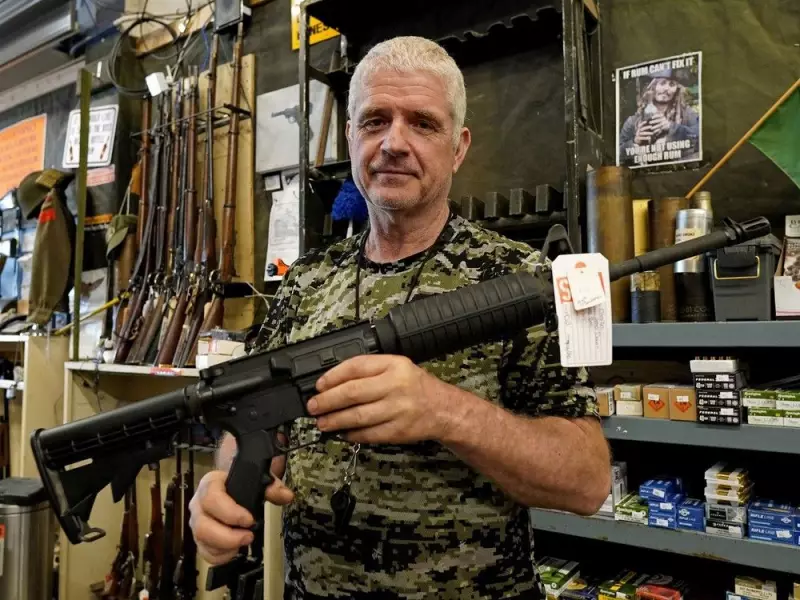
The program is designed to compensate owners for firearms the government banned in May 2020. Officials have prohibited approximately 2,500 models of what they describe as "assault-style" weapons, asserting they are designed for battlefields, not civilian use. The financial framework for this initiative is substantial, with total costs projected to exceed $700 million.

Pilot Program Results and Provincial Divisions
An initial six-week pilot program in Cape Breton, Nova Scotia, has yielded modest results, raising questions about the national plan's potential effectiveness. The pilot managed to retrieve only about two dozen firearms, distributing $26,535 in compensation to 16 participating gun owners.
Despite this slow start, the Liberal government is moving forward with expansion. It recently committed $12.4 million in federal funding to support Quebec's implementation of the buyback. Quebec is currently a supportive provincial partner, and some police forces have agreed to help enforce the program.
However, significant provincial opposition is mounting. Manitoba Premier Wab Kinew declared on Friday that his province will not participate, criticizing the program's apparent inefficiency and administrative burden. "It’s a federal government program that doesn’t appear to be very efficient, doesn’t appear to be very well run," Kinew stated. "And so for us, looking at that, why would we want to take on that whole headache?"
Nationwide Criticism and Amnesty Deadline
Kinew expressed support for removing weapons from criminals but argued this buyback would not achieve that goal and would instead create "other issues around administration and costs." Manitoba joins Saskatchewan, Alberta, and Ontario in voicing strong criticism of the federal plan.
A critical deadline is looming for gun owners. An amnesty period that has allowed possession of the now-banned firearms is scheduled to end on October 30. The Saturday announcement is expected to provide clarity on how owners can comply with the law and participate in the buyback before that amnesty expires.
The upcoming briefing will be closely watched by gun owners, law enforcement, provincial governments, and policy analysts across the country, as it details one of the most expensive and politically charged firearm initiatives in recent Canadian history.