Presidential Health Secrets: A History of Concealment in the White House
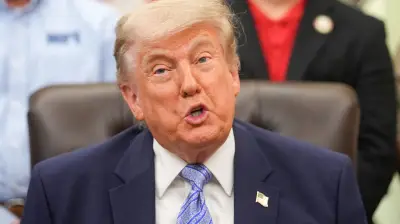
In late 2025, President Donald Trump boasted about receiving "all As" on his annual physical examination. However, this exam included an MRI scan, which White House doctor Sean Barabella described as a routine preventative measure. Medical experts have pointed out that such a procedure is not standard practice for routine check-ups, sparking curiosity about the president's true health status.
For months, Trump has displayed poorly concealed hand bruises, which the administration attributes to "extensive handshaking." Additionally, in March, he developed a mysterious neck rash, explained away as a reaction to a "very common cream" used in a "preventative skin treatment." These visible ailments have led many Americans to question whether the president's bill of health is as pristine as his team claims.
Historical Precedents of Presidential Health Secrecy
Trump is far from the first U.S. president to keep health conditions hidden from the public. Throughout history, leaders have gone to great lengths to conceal medical issues, often with significant consequences.

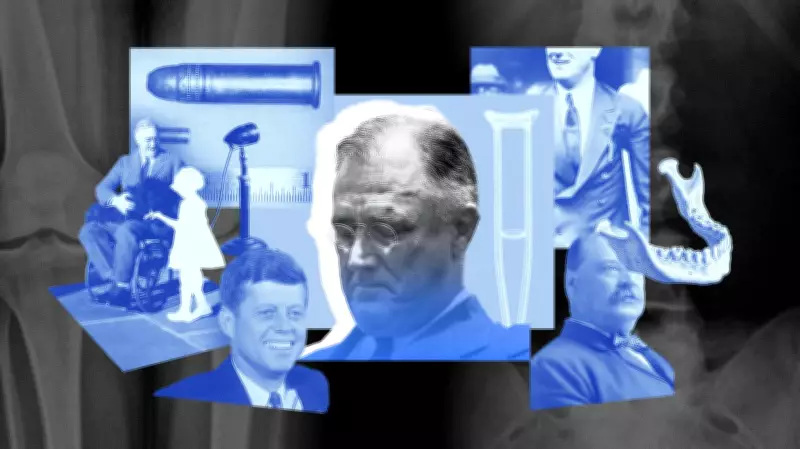
In July 1893, President Grover Cleveland underwent a secret surgery to remove a cancerous tumor from the roof of his mouth. To maintain secrecy, the operation was performed on a boat, with a cover story about a four-day fishing trip on friend Elias Cornelius Benedict's steam yacht, Oneida. A newspaper at the time reported, "The president desires rest and recreation." In reality, six surgeons removed the tumor, multiple teeth, and much of Cleveland's upper-left jaw in just 90 minutes, deliberately avoiding external scars to preserve his trademark mustache. The truth only emerged in 1917, after one of the surgeons revealed the story.
President Woodrow Wilson suffered a catastrophic stroke in 1919, which left him paralyzed, partially blind, and seriously incapacitated. His inner circle, led by first lady Edith Bolling Wilson, hid the extent of his condition from both the American people and his own administration. She limited access to the president, screened documents, and liaised with the Cabinet and Congress, earning the title "secret president" for about a year and a half. Wilson had previously experienced multiple strokes before his presidency, which were not publicly known.
Modern Examples of Health Concealment
Franklin Delano Roosevelt contracted polio in 1921, resulting in paralysis from the waist down. While his condition was publicized, its severity was downplayed. FDR used a wheelchair only in private, with an agreement between the White House and the press to avoid photographs of him in it. He wore aluminum and leather leg braces under baggy trousers to create the illusion of walking, often supported by aides.
John F. Kennedy endured debilitating back pain from a college football injury, relying on opioids like codeine and methadone for management. He privately used crutches and wore a stiff back brace, which he had on during his assassination in 1963. Some doctors believe the brace prevented him from collapsing after the first shot, potentially contributing to his death.
After the 1981 assassination attempt on President Ronald Reagan, details about his near-fatal condition were kept hidden. While he famously walked into the emergency room and joked with surgeons, it was later revealed he collapsed shortly after, losing over half his blood volume as a bullet lodged an inch from his heart.
Recent Controversies and Cognitive Concerns
In 2024, President Joe Biden shocked the nation by dropping out of the presidential race just months before the election, citing the "best interest" of the Democratic Party amid mounting pressure. Speculation about his cognitive decline had been widespread, fueled by a disastrous debate performance against then-candidate Donald Trump. An explosive book later reported that Biden would fail to recognize allies and lose his train of thought, with claims that his administration worked to cover up his deteriorating memory. Biden and his inner circle have denied these allegations.

This pattern of secrecy raises critical questions about transparency in leadership and the public's right to know about the health of those in power. As history shows, the concealment of presidential ailments is a longstanding tradition, with implications for governance and trust.