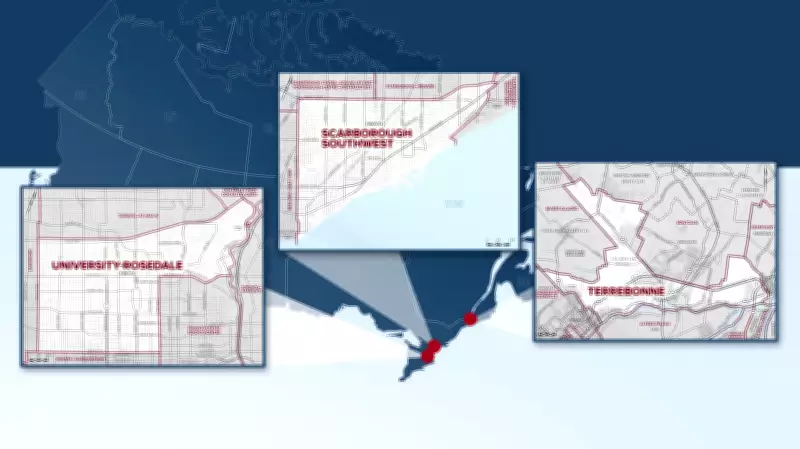
Three Byelections, Three Different Canadas: A Demographic Snapshot
As the final ballots are counted in three federal byelections, these contests offer a revealing demographic snapshot of Canada's diverse political landscape. The outcomes could significantly impact the Liberal government's position, potentially securing a majority.
Distinct Regional Dynamics
Each byelection represents a unique segment of Canadian society, reflecting varied regional priorities and voter demographics. From urban centers to more rural constituencies, the results will illustrate how different communities are responding to current federal policies and leadership.
The Liberal Party, under Prime Minister Carney, stands at a crucial juncture. With floor crossings already shifting the parliamentary balance, these byelections could provide the additional seats needed to achieve a majority government. This possibility has drawn intense scrutiny from opposition parties, with NDP leader expressing concern about what they describe as a "disturbed" political climate.

Broader Political Implications
Beyond the immediate question of majority control, these contests serve as important indicators of public sentiment ahead of future general elections. They reveal how demographic factors—including age, income, education, and regional identity—are shaping political allegiances across the country.
The analysis by Environics Analytics emphasizes that these three races collectively paint a picture of Canada's evolving political demographics. While each constituency has its own local issues and candidates, together they represent microcosms of national trends that will influence policy debates and electoral strategies in coming years.
Looking Forward
As live coverage of the results begins, political observers are watching not just for which party wins each seat, but for what the voting patterns reveal about Canada's changing political landscape. The demographic insights from these byelections will likely inform party platforms and campaign approaches in future federal elections.
The intersection of local concerns and national politics makes these contests particularly significant. They demonstrate how byelections, while filling individual vacancies, can collectively provide valuable data about the country's political direction and the government's standing with diverse segments of the population.