Trump Declares Iranian Supreme Leader Ali Khamenei Dead Amid Escalating Tensions
Former United States President Donald Trump has made a startling public assertion, claiming that Iran's Supreme Leader, Ayatollah Ali Khamenei, is dead. This declaration comes at a time of heightened geopolitical friction in the Middle East, following recent military strikes on Iranian compounds. The statement has ignited a wave of international speculation and concern, as officials and analysts scramble to verify the claim amidst a backdrop of ongoing regional conflicts.
Context of the Announcement
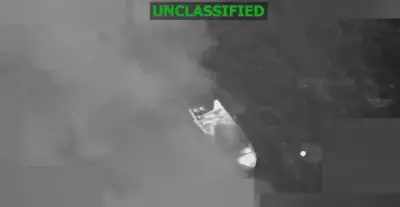
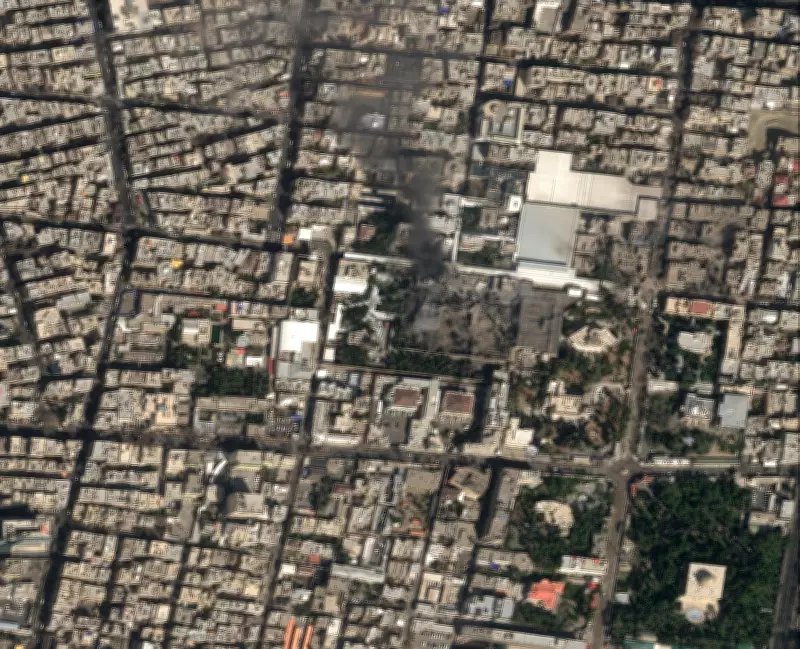
Trump's remarks were disseminated through various media channels, coinciding with reports of an attack on a compound associated with the Iranian Supreme Leader. Satellite imagery provided by Airbus, dated February 28, 2026, appears to show damage to a facility in Iran, though direct confirmation of Khamenei's status remains unverified by independent sources. The timing of this announcement is particularly sensitive, as it follows a series of escalatory actions between Iran and other nations, including Israel and the United States.
Regional and Global Implications

The potential death of Ali Khamenei, who has led Iran since 1989, could trigger significant political instability within the country and across the Middle East. As the ultimate authority in Iran's theocratic system, his passing would necessitate a complex succession process, potentially involving the Assembly of Experts. This development could influence Iran's domestic policies, its nuclear program negotiations, and its support for proxy groups in the region.
International Reactions and Verification Efforts
Global leaders and intelligence agencies are closely monitoring the situation, with many urging caution until official confirmation is provided. The Iranian government has not issued a formal statement regarding Khamenei's health or status at the time of this report. Meanwhile, the attack on Iranian facilities has already disrupted air travel across the Middle East and beyond, highlighting the broader security ramifications.
Historical Precedents and Current Dynamics
Trump's tenure as president was marked by a hardline stance against Iran, including the withdrawal from the nuclear deal and the assassination of General Qasem Soleimani in 2020. His latest claim aligns with his history of provocative statements on foreign policy. However, experts emphasize the need for verified information, as unconfirmed reports can exacerbate tensions and lead to miscalculations in an already volatile region.
Broader News Landscape
This story unfolds alongside other significant events, including protests in Quebec over federal gun buyback programs, a double-murder trial verdict awaited in Moncton, and various domestic incidents across Canada. In the business sector, oil prices are experiencing volatility due to U.S.-Israel strikes, while in health news, a study notes rising rates of cannabis use, anxiety, and depression in Canada. These diverse reports underscore the interconnected nature of global and local affairs, where geopolitical shifts can have far-reaching consequences.
As the situation develops, the international community remains on alert, awaiting concrete details about Ali Khamenei's condition and the implications for Middle Eastern stability. The coming days may reveal whether Trump's assertion is accurate or a strategic maneuver in the complex web of international relations.