Trump's 2027 Budget Seeks Historic $1.5 Trillion Defense Increase
President Donald Trump has formally requested Congress to allocate an unprecedented $1.5 trillion for defense spending in the 2027 fiscal year, marking the largest such proposal in decades. This substantial increase underscores the administration's continued emphasis on military investments over domestic programs, as outlined in a White House budget summary released on Friday.
Shifting Responsibilities to State and Local Governments
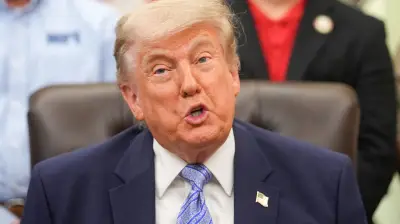
The comprehensive budget blueprint confirms plans for the Pentagon while proposing a 10% reduction in nondefense spending. This cut would be achieved by transferring certain federal responsibilities to state and local governments. President Trump emphasized this approach during a private White House event on Wednesday, stating, "We're fighting wars. We can't take care of day care. It's not possible for us to take care of day care, Medicaid, Medicare — all these individual things. They can do it on a state basis. You can't do it on a federal."
Military Modernization and Ongoing Conflicts
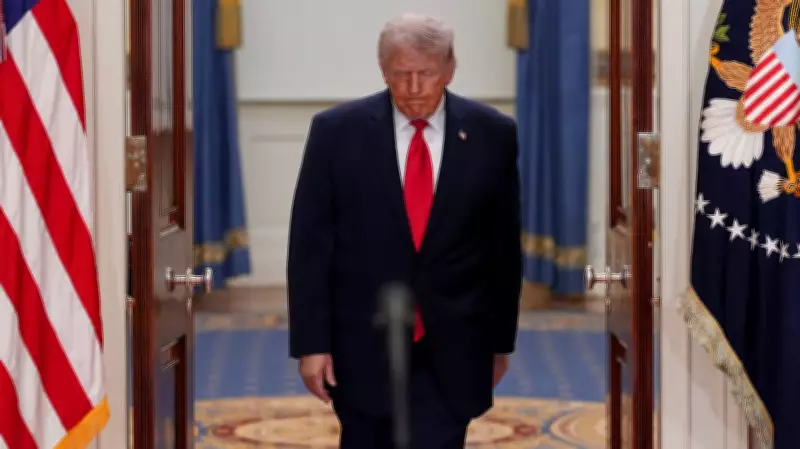
Even before the recent U.S.-led war against Iran, the Republican president had signaled intentions to bolster defense spending to modernize the military for 21st-century threats. Separately, the Pentagon last month proposed an additional $200 billion specifically for the war effort and to replenish munitions and supplies. Speaking ahead of a national address about the Iran conflict this week, Trump clearly indicated that military priorities would dominate, setting the stage for contentious debates in Congress.

Budget as a Reflection of Administration Values
The president's annual budget is widely regarded as a reflection of the administration's core values, though it does not carry the force of law. This massive document typically highlights an administration's priorities, but Congress, which holds authority over federal spending, frequently rejects or modifies such proposals. With the nation facing nearly $2 trillion annual deficits and a national debt exceeding $39 trillion, federal finances have long operated in the red.
Current Spending Landscape and Congressional Dynamics
Approximately two-thirds of the estimated $7 trillion in annual federal spending covers mandatory programs like Medicare, Medicaid, and Social Security, which grow automatically with an aging population. The remaining discretionary budget has traditionally been divided nearly evenly between defense and domestic accounts, each around $1 trillion annually, where most congressional debates occur.
The GOP's major tax legislation signed by Trump last year already advanced his priorities outside the regular budget process, providing at least $150 billion for the Pentagon over several years and $170 billion for immigration and deportation operations at the Department of Homeland Security.
Budget Director's Roadmap and Congressional Response
This year's White House document, prepared by Budget Director Russ Vought, is intended to serve as a roadmap from the president to Congress as lawmakers develop their own budgets and appropriations bills to fund the government. Vought discussed the proposal with House GOP lawmakers on a private call Thursday.
Ongoing Congressional Battles Over Spending
The president's budget arrives as the House and Senate remain deadlocked over current-year spending, particularly regarding DHS funding. Democrats are demanding changes to Trump's immigration enforcement policies that Republicans have resisted. Trump announced Thursday he would sign an executive order to pay all DHS workers who have missed paychecks during the record-long partial government shutdown, now at 49 days. While Republican leadership reached an agreement on funding the department, lawmakers are on spring break and have not yet voted on new legislation.
Historical Context and Previous Budget Efforts
Last year, in his first budget since returning to the White House, Trump sought to fulfill his promise to dramatically reduce the size and scope of the federal government, reflecting initiatives from billionaire Elon Musk's Department of Government Efficiency. As DOGE streamlined federal offices and Vought attempted to reclaim funds, Congress frequently disagreed.

For instance, Trump proposed approximately a 20% decrease in nondefense spending for the current budget year ending September 30, but Congress maintained such spending at relatively stable levels. Some programs Trump aimed to eliminate entirely, like energy cost assistance for families, actually received slight funding increases. Others, such as Community Development Block Grants used by states and local communities for projects benefiting low-income areas through parks, sewer systems, and affordable housing, received flat funding.
Congressional Oversight and Funding Directives
Lawmakers have also focused on ensuring the administration spends federal dollars as Congress directs. This year's spending bills contain what Senator Patty Murray, the ranking Democratic member of the Senate Appropriations Committee, described as "hundreds upon hundreds of specific funding levels and directives" that the administration must follow.
Associated Press reporter Bill Barrow in Atlanta contributed to this report.