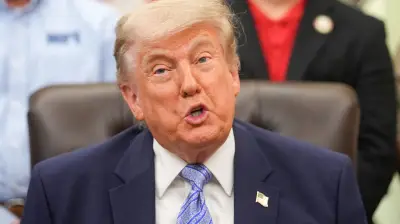
During a briefing in Memphis on Monday, President Donald Trump orchestrated a public praise session that critics have compared to scenes reminiscent of North Korea. The event, which quickly went viral on social media, saw Homeland Security adviser Stephen Miller credit Trump with achieving a "national miracle" in border security and public safety. Trump, visibly pleased, then turned to FBI Director Kash Patel, challenging him to top the flattery.
Intense Flattery and Backlash
Patel responded by praising Trump as a commander-in-chief who supports law enforcement, claiming that under Trump's leadership, America has become the "safest country on God's green Earth." However, this praise starkly contrasts with Trump's actions on his first official day in office last year, when he issued blanket pardons to individuals involved in the January 6, 2021, Capitol attack, including those convicted of violent acts against police officers.
Social Media Outcry
The exchange prompted a wave of criticism on social media, with many users labeling it as cult-like behavior and maximum sycophancy. Comments ranged from comparisons to North Korean leadership to accusations of narcissistic and toxic dynamics within Trump's administration. Critics argued that such displays undermine democratic norms and highlight a concerning trend of conformity among Trump's advisers.

Broader Implications
This incident has reignited debates about leadership styles and the erosion of political discourse in the United States. Analysts suggest that such public praise sessions could have long-term effects on governance and public trust, especially as Trump continues to shape his political legacy. The backlash underscores deep divisions in American society and raises questions about the future of political accountability.
As the story spreads, it serves as a reminder of the polarized nature of contemporary politics, where even routine briefings can become flashpoints for controversy and international comparison.