The United States was waiting on Thursday for Iran to respond to its latest proposed deal to end the war in the Middle East and to reopen the key shipping lane out of the Gulf. Asian stocks soared and oil prices fell after US President Donald Trump said once again that an agreement could be near after positive talks, and Iran said it would pass on its latest position to mediator Pakistan.
Any agreement to prolong the ceasefire between the United States and Iran could also lower tensions in Lebanon, where an already fragile truce with Israel was under renewed strain after a strike on southern Beirut killed a Hezbollah commander. The war, launched by the United States and Israel in late February, has seen Iran respond with attacks across the Middle East and impose a chokehold on the Strait of Hormuz, the gateway to the Gulf oil and gas industries and a strategic trade route.
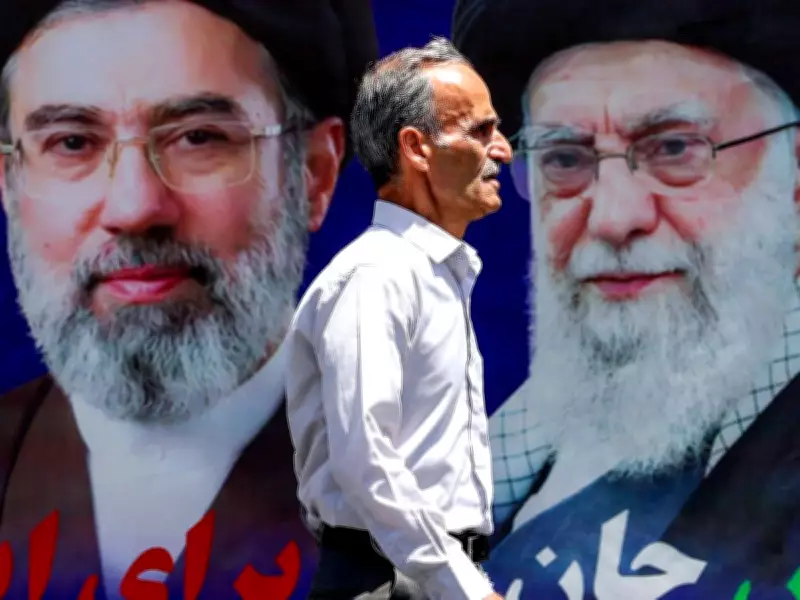
Trump had this week briefly launched a naval operation to escort commercial vessels and force open the strait, only to stand it down within hours, citing progress on negotiations with Iran, which have been mediated by Pakistan and supported by Washington’s Gulf Arab allies. In Iran, however, many were wary of increased repression as the war drags on. “The economic situation got worse, and this government has become even more brutal,” 49-year-old Ali told AFP journalists in Paris from the Iranian city of Tonekabon, using only his first name for fear of retribution.

‘Under Review’
“We’ve had very good talks over the last 24 hours, and it’s very possible that we’ll make a deal,” Trump told reporters on Wednesday, adding his now habitual threat to return to bombing if Tehran refuses to back down to US demands. Iran’s foreign ministry spokesman Esmaeil Baqaei said the US proposal remained “under review” and Tehran would communicate its position to mediator Pakistan “after finalising its views”. According to a report from US network NBC News, Trump’s U-turn came after Saudi Arabia — whose Crown Prince Mohammed bin Salman reportedly talked directly to Trump — refused to allow US forces to use its airspace and bases for the Hormuz operation.
US news outlet Axios, citing two officials, reported that both Tehran and Washington were close to agreement on a one-page memorandum of understanding to end the war and set a framework for negotiations on Iran’s nuclear programme. Trump has claimed that Iran’s leadership is divided, in the wake of the deaths of many senior figures in US and Israeli strikes. But President Masoud Pezeshkian said Thursday he had met with the country’s supreme leader Mojtaba Khamenei, who has not been seen in public since his appointment in early March.