The U.S. Senate has rejected an attempt to end the longstanding trade embargo against Cuba, dealing a blow to efforts to normalize relations with the island nation. The resolution, introduced by Democratic Senator Mazie Hirono of Hawaii, failed to garner the necessary support to pass, keeping the Trump administration's blockade policy intact.
Senate Vote Details
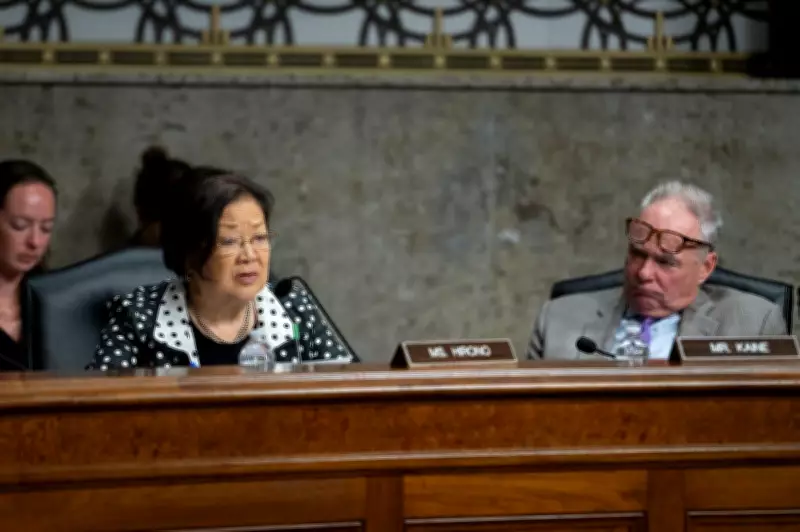
The vote took place on Tuesday, April 28, 2026, during a Senate Committee on Armed Services hearing. Senator Hirono argued that the embargo has failed to achieve its objectives and has caused undue hardship for the Cuban people. However, Republican opposition, citing concerns over human rights and national security, prevented the measure from advancing.
Senator Tim Kaine of Virginia, a Democrat, supported the resolution, emphasizing the need for a shift in U.S. foreign policy toward Cuba. Despite bipartisan support from some lawmakers, the resolution fell short of the majority required to pass.

Impact on U.S.-Cuba Relations
The rejection marks a continuation of the restrictive policies implemented under the Trump administration, which tightened the embargo after a period of détente under President Barack Obama. The blockade, first imposed in 1960, restricts trade and travel between the two countries.
Proponents of ending the embargo argue that it has not led to political change in Cuba and instead harms ordinary citizens. Opponents maintain that the embargo is a necessary tool to pressure the Cuban government to improve its human rights record.
The Senate's decision is seen as a setback for those advocating for a new approach to U.S.-Cuba relations. The issue is expected to remain a point of contention in future congressional sessions.