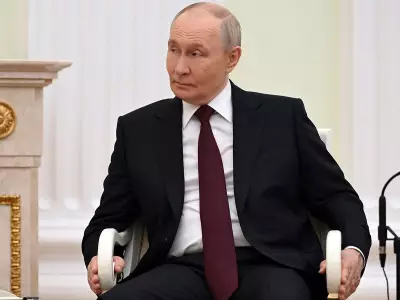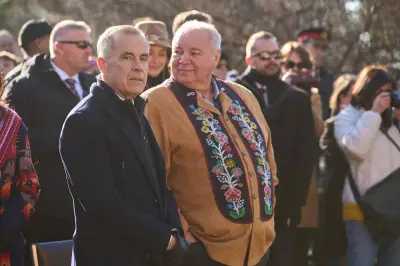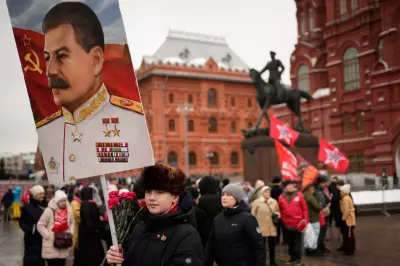
Prime Minister Mark Carney's recent strategic pivot in Canada's international relations, prioritizing trade and national security, is facing intense scrutiny from human rights organizations and foreign policy analysts. The shift, marked by high-profile engagements like the Canada-UAE Investment Summit in Abu Dhabi on Friday, November 21, 2025, has critics questioning whether fundamental Canadian values are being sidelined.
The New Direction: Trade and Security Take Precedence
Observers note a distinct change in tone and focus under Prime Minister Carney's administration. The government's foreign policy apparatus appears to be increasingly channeling diplomatic energy into securing trade agreements and forging security partnerships. The summit in the United Arab Emirates, where Carney was photographed participating, is cited as a prime example of this new direction. While promoting investment is a standard governmental function, advocates argue that these engagements with nations whose human rights records are often criticized by international watchdogs occur without the parallel, robust advocacy for civil liberties and democratic freedoms that once characterized Canadian foreign policy.
Advocates Sound the Alarm on Eroded Principles
Human rights groups are expressing profound concern that economic and strategic interests are now overwhelmingly dictating Canada's global engagements. They contend that this represents a significant departure from a longstanding tradition where Canada was seen as a consistent voice on the world stage for human dignity, democratic governance, and the rule of law. The fear is that in the pursuit of tangible deals and geopolitical alliances, the government is softening its criticism of authoritarian practices and failing to leverage its influence to champion vulnerable populations. This recalibration, they warn, could damage Canada's international reputation as a principled actor and undermine its moral authority.

Balancing Act: Government's Challenge Between Values and Interests
The Carney government likely views this shift as a pragmatic response to an increasingly volatile and competitive global landscape. The argument from proponents of the new approach would emphasize that ensuring Canada's economic prosperity and physical security are foundational responsibilities. They might posit that a strong, secure Canada is better positioned to exert influence in the long term than one that is economically weakened. However, the central critique remains: whether this recalibration has tipped too far, effectively commodifying Canada's foreign policy and placing fundamental values on the back burner. The ongoing debate centers on whether these two pillars—protecting national interests and promoting human rights—can be effectively balanced or if one is inevitably diminished at the expense of the other.
The controversy places Prime Minister Carney at a critical juncture. As his government continues to navigate complex international relationships, the pressure will mount to clearly define how Canada's commitment to human rights is operationalized within its renewed focus on trade and security. The decisions made in the coming months will significantly shape Canada's role and identity on the global stage for years to come.