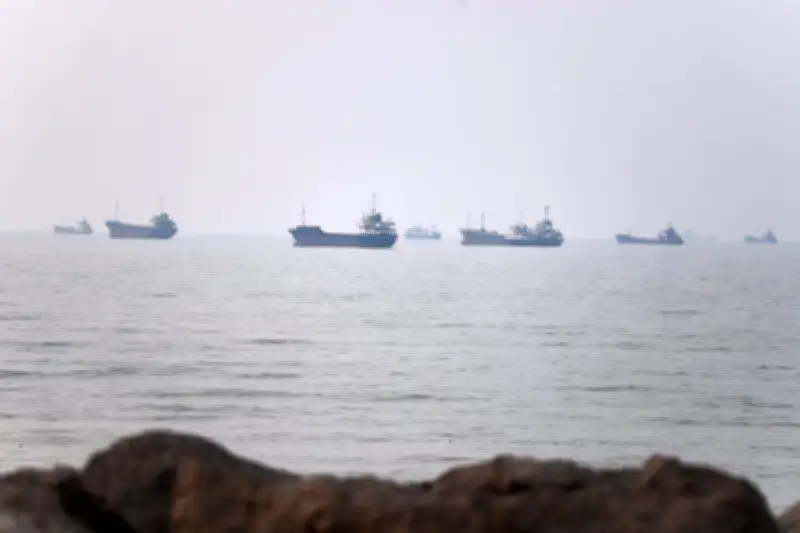
Iran has issued a warning to oil tankers transiting the Strait of Hormuz, demanding they use only approved routes or face a 'forceful response.' The statement, reported by the Associated Press on July 2, 2026, escalates tensions in the strategically vital waterway through which about 20% of the world's oil passes.
Context of the Warning
The warning comes amid ongoing U.S.-Iran talks regarding the Strait of Hormuz. Senior fellow Joe Varner, commenting on the negotiations, highlighted the key developments he is monitoring. The strait is a chokepoint for global energy supplies, and any disruption could impact oil prices and international shipping.
Iran's message is clear: tankers must adhere to designated sea lanes or risk military action. This follows a series of incidents in the region, including seizures of tankers and drone attacks, which have heightened security concerns.

International Reactions
The United States has not yet formally responded, but the talks between the two nations are seen as crucial to de-escalating tensions. Varner noted that the outcome of these negotiations will be closely watched by global markets and shipping companies.
Analysts warn that any confrontation in the Strait of Hormuz could lead to a spike in oil prices, affecting economies worldwide. The strait is also critical for natural gas shipments from Qatar and other Gulf producers.
Implications for Global Shipping
Shipping companies are advised to coordinate with Iranian authorities to ensure compliance with the new routing requirements. Failure to do so could result in interception or attack by Iranian naval forces.
This development adds to a series of geopolitical risks in the region, including ongoing conflicts in Yemen and tensions with other Gulf states. The international community is urging restraint and dialogue to avoid a military escalation.