Iran's Supreme Leader Killed in Coordinated Military Strike
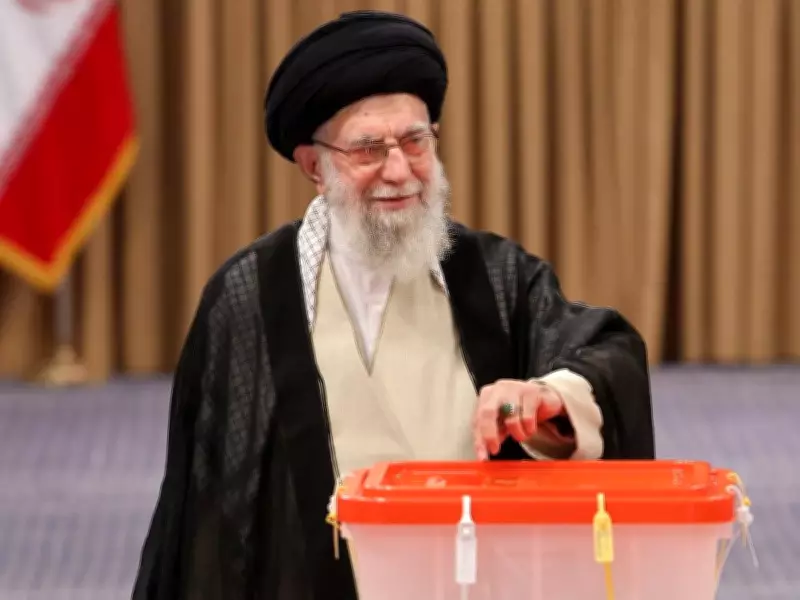
In a significant escalation of tensions in the Middle East, Supreme Leader Ali Hosseini Khamenei of Iran was confirmed dead following a targeted military operation conducted by the United States and Israel. The attack, which occurred over the weekend, has ignited a complex global discourse on sovereignty, human rights, and international security.
Khamenei's Legacy of Oppression and Atrocities
Ali Khamenei, who served as Supreme Leader since 1989 and previously as president from 1981 to 1989, is widely regarded as a central figure in Iran's repressive regime. Over his decades-long tenure, he oversaw numerous human rights violations and acts of aggression that have drawn international condemnation.
Key incidents attributed to his leadership include:

- The downing of Flight PS752 in January 2020, which resulted in the deaths of 176 individuals, including 55 Canadian citizens and 30 permanent residents.
- The brutal suppression of street protests in Iran, leading to an estimated 30,000 to 40,000 fatalities amid rising economic discontent.
- The 2022 death of Mahsa Amini, a 22-year-old woman who died after being beaten by morality police for improper hijab wear, highlighting systemic gender-based oppression.
Iran's Role as a State Sponsor of Terrorism
Under Khamenei's rule, Iran emerged as a leading state sponsor of terrorism globally. The regime has provided support to proxy groups such as Hamas, Hezbollah, and the Houthis in Yemen, while also arming militias across regions including Iraq, Syria, and Pakistan. Terror attacks linked to Iran have occurred in over 40 countries, from Lebanon to Argentina, undermining international stability.
Furthermore, Iran's involvement in Russia's war in Ukraine has drawn additional scrutiny. The transfer of Iranian drone technology to Russia has facilitated attacks on civilian infrastructure, including schools and hospitals, exacerbating the conflict in Eastern Europe.
International Reactions and Canadian Stance
Prime Minister Mark Carney of Canada issued a statement affirming support for the U.S. actions, emphasizing Iran's role as a source of instability and terror. "Canada's position remains clear: the Islamic Republic of Iran is the principal source of instability and terror throughout the Middle East, has one of the world's worst human rights records, and must never be allowed to obtain or develop nuclear weapons," Carney stated.
However, public opinion in Canada appears divided, with many citizens expressing opposition to the strikes due to the involvement of U.S. President Donald Trump. This sentiment reflects a broader trend where Canadian foreign policy decisions are often influenced by perceptions of American leadership rather than solely by national interests.
Hope for a New Era in Iran
As the world processes the demise of Khamenei and several senior regime figures, there is cautious optimism for a potential shift in Iran's political landscape. Advocates for human rights and democracy hope this event may pave the way for increased freedoms for the Iranian people and contribute to lasting peace in the Middle East.
The United Nations Security Council has been a forum for heated debates, with Iran condemning the attacks as violations of sovereignty, while critics argue the regime's own actions have long disregarded international norms. The global community continues to monitor developments closely, weighing the implications for regional security and diplomatic relations.