


Israeli Forces Escalate Crackdown with Demolition of UNRWA Facilities in East Jerusalem
Israeli military forces targeted at least two United Nations facilities in East Jerusalem on Tuesday, advancing a systematic crackdown against the UN agency responsible for delivering humanitarian services to millions of Palestinian refugees across the region. The operations represent Israel's most aggressive and visible step yet against the United Nations Relief and Works Agency (UNRWA), which has operated in the area for decades.
Demolition and Tear Gas Attacks on UN Facilities
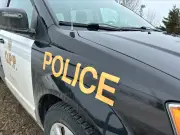
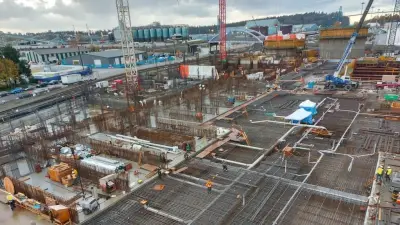
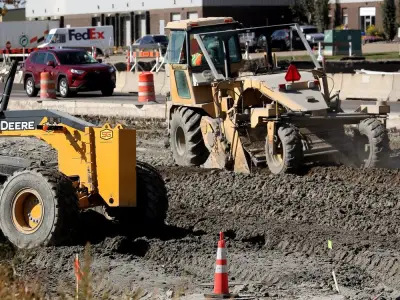
Crews began bulldozing UNRWA's offices in the Sheikh Jarrah neighborhood early Tuesday morning, while Israeli police simultaneously fired tear gas at a vocational training school in Qalandia on the outskirts of Jerusalem. Roland Friedrich, UNRWA's West Bank director, confirmed that demolition crews and police arrived at the agency's East Jerusalem headquarters without warning.
Friedrich stated that UNRWA staff had not operated from the facility for nearly a year due to safety concerns, but Israeli forces nevertheless confiscated electronic devices and forcibly removed private security guards hired to protect the premises. "What we saw today is the culmination of two years of incitement and measures against UNRWA in East Jerusalem," Friedrich declared, characterizing the actions as violations of international law that guarantees protection for such facilities.
Impact on Palestinian Youth and Education
The vocational school attack directly affected more than 300 young Palestinian refugees receiving job training in technology and welding programs. According to the Palestinian Authority's Jerusalem governate, which monitors Palestinian affairs in the area, several children returning home from the school were overcome by tear gas exposure. A 15-year-old student was reportedly struck in the eye by a rubber bullet during the incident.
UNRWA officials expressed concern that the demolitions could jeopardize operations at both the Qalandia vocational center and a health facility in Shua'fat, where the agency continues to provide essential education and healthcare services despite increasing restrictions.
Israeli Justification and Political Celebrations
Israel's Foreign Ministry defended the demolition as enforcement of new legislation banning UNRWA operations, asserting that Israel owns the property and rejecting claims that the action violated international law. Israeli authorities have long accused UNRWA of anti-Israel bias and alleged connections to militant groups including Hamas—claims that the United Nations has consistently denied.
At the demolition site in Sheikh Jarrah, an Israeli flag was raised above the former UNRWA facility as several Israeli politicians arrived to celebrate what National Security Minister Itamar Ben Gvir called "a historic day." The scene symbolized the culmination of years of Israeli criticism against the agency, which Israel contends perpetuates Palestinian refugee status while maintaining ties to militant organizations.
Broader Context of UNRWA Restrictions
The demolition represents the latest development in Israel's escalating campaign against UNRWA since the Israel-Hamas war began over two years ago. Israel has intensified accusations that UNRWA facilities have been infiltrated by Hamas militants, though it has provided limited evidence to support these claims. The International Court of Justice ruled in October that Israel must permit the agency to continue humanitarian operations in Gaza.
Following Israel's Knesset passing legislation last year to sever ties and ban UNRWA from operating in what it defines as Israeli territory—including East Jerusalem—the agency's facilities have faced repeated closures, raids, and reduced protection. Philippe Lazzarini, UNRWA's commissioner-general, issued a stark warning on social media: "This comes in the wake of other steps taken by Israeli authorities to erase the Palestine Refugee identity. This must be a wake-up call."
International Funding and Broader NGO Restrictions
The Israeli crackdown on UNRWA coincides with broader efforts to deregister aid organizations operating in Gaza and the occupied West Bank. Israel has implemented laws requiring nongovernmental organizations to avoid hiring staff involved in activities that "delegitimize Israel" or support boycotts, mandating that they register lists of names as a condition for operational approval.
Israel has notified dozens of international aid groups—including prominent organizations like Doctors Without Borders and CARE—that their licenses will expire at the end of 2025. These organizations have criticized the regulations as arbitrary and warned that the restrictions will severely impact civilian populations desperately needing humanitarian assistance.
The United States' relationship with UNRWA has fluctuated in recent years, with President Donald Trump cutting funding in 2018, President Joe Biden restoring it in 2021, and then pausing funding again in 2024. UNRWA's mandate extends to providing aid and services to approximately 2.5 million Palestinian refugees in Gaza, the occupied West Bank, and East Jerusalem, plus an additional 3 million refugees in Syria, Jordan, and Lebanon.