In a move with profound implications for the civilian population of Gaza, Israel has declared it will suspend the operations of multiple humanitarian organizations within the territory, with the measure set to take effect at the beginning of 2026. The announcement, reported by The Associated Press on December 30, 2025, signals a significant escalation in the ongoing challenges facing aid delivery in the conflict-ridden region.
Details of the Planned Suspension
The decision, confirmed by Israeli authorities, targets several non-governmental organizations currently providing essential services in the Gaza Strip. While the official statement did not list every group affected, the suspension is expected to impact a range of operations, including food distribution, medical assistance, and other critical support systems for Gaza's residents. The policy is scheduled to commence in January 2026, giving agencies and the international community a little over a year to prepare for the consequences.
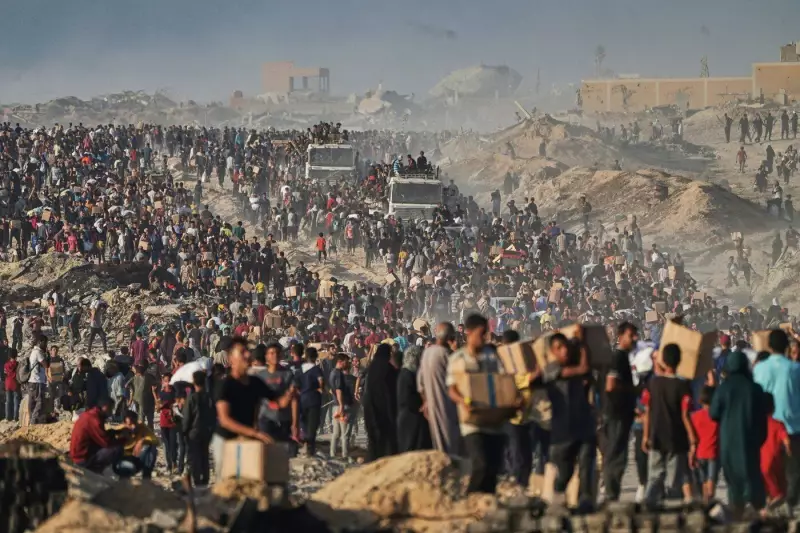
This development comes amidst a protracted and devastating conflict between Israel and Hamas, which has left Gaza's infrastructure in ruins and its population heavily dependent on external aid for survival. A poignant image from June 16, 2025, captured by AP photographer Jehad Alshrafi, shows Palestinians carrying sacks and boxes of food from a World Food Program convoy—a scene that may become far less common if the suspension proceeds.

Potential Humanitarian Fallout
The planned halt of these organizations' work threatens to deepen an already severe humanitarian catastrophe. Gaza faces crippling shortages of food, clean water, medicine, and fuel. The suspension could sever vital lifelines for hundreds of thousands of civilians, including vulnerable children, the elderly, and those displaced by the fighting.
International aid groups and United Nations agencies have repeatedly warned of famine and disease outbreaks in Gaza. Removing key operational partners from the equation will likely place an unsustainable burden on the remaining aid channels, potentially leading to greater suffering and instability. The decision is certain to draw sharp criticism from human rights advocates and foreign governments concerned with the welfare of Palestinian civilians.
Broader Context and International Response
Israel has historically scrutinized the activities of NGOs operating in Gaza, citing concerns that some groups could have ties to or be co-opted by Hamas, which it designates as a terrorist organization. The forthcoming suspension appears to be a formalization of this longstanding policy stance.
The international community now faces a critical window to engage in diplomacy and seek alternative arrangements before the 2026 deadline. The move will test the capacity of global institutions to ensure the continuity of humanitarian relief in one of the world's most volatile regions. The consequences of failure could be measured in a sharp increase in preventable deaths and a further deterioration of living conditions for Gaza's besieged population.
As the new year approaches, the announcement casts a long shadow over the future of Gaza, setting the stage for a major humanitarian and political challenge in the coming year.