Pakistan is racing to save negotiations between the United States and Iran after President Donald Trump decided to keep American envoys at home, escalating diplomatic tensions in the Middle East. The development comes amid ongoing conflict, with Iranian forces described as 'acting like pirates, acting like terrorists' by U.S. Defense Secretary Pete Hegseth during a blockade. The U.S. military inventory is at its 'lowest point' as the conflict with Iran continues, adding to the uncertainty surrounding peace talks.
Strait of Hormuz Incidents
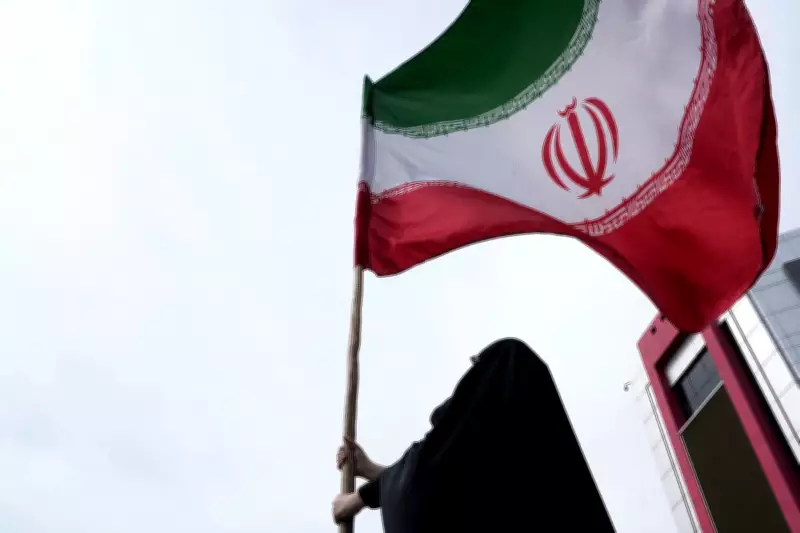
Iran fired on three cargo ships in the Strait of Hormuz, despite a U.S. ceasefire extension. This aggressive action has heightened fears of a broader regional conflict. Meanwhile, uncertainty remains over the outcome of Iran-U.S. peace negotiations, with analysts saying 'it's still anyone's guess' whether a deal can be reached.
Pakistan's Diplomatic Efforts
Pakistan has stepped in as a mediator, attempting to bridge the gap between the two nations. The move comes as Trump's decision to keep envoys home has stalled direct talks. Pakistan's foreign ministry has been engaged in shuttle diplomacy, urging both sides to return to the negotiating table to prevent further escalation.

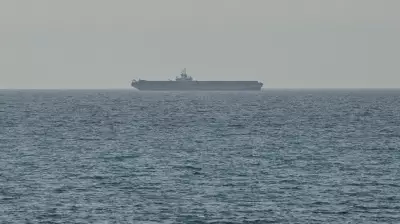
The situation remains fluid, with global powers watching closely. The conflict has already disrupted oil shipments through the Strait of Hormuz, a critical chokepoint for global energy supplies. Analysts warn that continued hostilities could lead to a humanitarian crisis and further economic instability.