Former United States President Donald Trump has issued a direct warning to Israel, urging the nation to avoid interfering in the ongoing conflict in Syria. The statement, delivered on December 1, 2025, adds a new layer of complexity to the volatile geopolitics of the Middle East.
The Core of the Warning
The warning from Trump represents a notable public stance on a sensitive international issue. While the exact context and delivery method of the statement were detailed in the original report, the core message is clear: the former American leader sees potential risks in Israeli actions within Syrian territory. This development comes amidst a protracted civil war in Syria that has drawn in various regional and global powers.
Geopolitical Implications
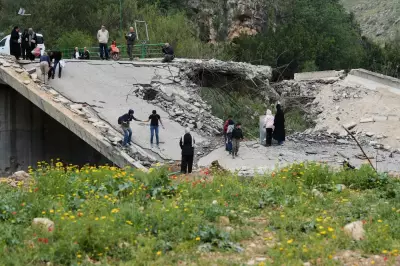
Trump's comments are likely to be scrutinized for their impact on U.S.-Israel relations and the broader strategic balance in the region. Historically, the Syrian conflict has been a flashpoint involving Syrian government forces, rebel groups, and international actors. Israel has conducted numerous airstrikes inside Syria over the years, primarily targeting Iranian military assets and Hezbollah, which it views as existential threats.

The public nature of this warning from a figure who remains influential in American politics could signal a shift in the discourse surrounding foreign intervention. It raises questions about the future approach to the Syrian crisis and the parameters of allied actions within the country.
Regional and Global Reactions
While the immediate reactions from the Israeli government and other stakeholders were not detailed in the initial brief, such a statement is poised to generate significant diplomatic discussion. Analysts will be watching to see if this influences the operational calculus of regional powers or alters the dynamics of the conflict. The warning underscores the enduring complexity of the Syrian situation and the delicate alliances that define Middle Eastern politics.
As of December 1, 2025, the full ramifications of this political intervention remain to be seen. However, it firmly places the issue of foreign involvement in Syria back into the spotlight of international dialogue.