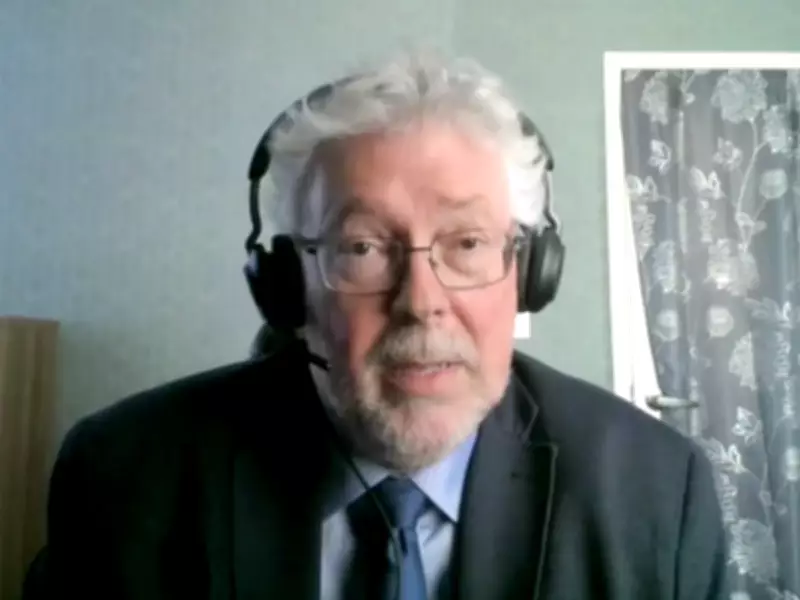
Canada faces a potential "suicide contagion" effect if medical assistance in dying (MAID) is extended to individuals whose sole underlying condition is a mental disorder, according to a prominent psychiatrist. Dr. John Maher, who specializes in treating severe mental illness, delivered this stark warning during a special joint parliamentary committee hearing this week.
Illegal Cases and Doctor Shopping Concerns
Dr. Maher testified that people with mental illnesses are already receiving assisted deaths in Canada under what he described as "flimsy medical excuses." He expressed concern that if euthanasia is permitted for psychiatric suffering alone, vulnerable individuals will engage in "doctor shopping until death," seeking out providers willing to facilitate suicide despite legal ambiguities.
"I and other colleagues are experiencing this: People are clearly getting MAID for reasons that are frankly illegal," Maher told the committee, which is evaluating Canada's preparedness to expand MAID eligibility. He emphasized that MAID is being offered to veterans, disabled individuals, and people with highly treatable illnesses, creating what he views as a dangerous precedent.

The Werther Effect and Rising Suicide Rates
Maher pointed to the Werther Effect, a well-documented phenomenon where publicized reports of celebrity suicides lead to increased suicide rates in the general population. He warned that legalizing MAID for mental illness could trigger a similar contagion effect, normalizing suicide as a solution to psychological suffering.
"Rates of suicide in jurisdictions that have legalized doctor-assisted death have risen much faster after it was legalized than before," Maher stated. "Suicide contagion is a well-proven reality. Don't pretend that it won't happen in Canada."
Treatment Access and Recovery Potential
As editor-in-chief of the Journal of Ethics in Mental Health, Maher works with specialized teams treating the most severe cases. He challenged the notion that mental disorders are inherently incurable, sharing that over 23 years, he has successfully treated patients whom other psychiatrists deemed hopeless.
"Suffering can always be reduced. There is absolutely no such thing as 'everything has been tried,'" he asserted. Maher highlighted systemic failures in mental health care, noting that only one in three adults and one in five children in Canada have access to needed services, leaving many to suffer from what he called an "appalling and intentional lack of services."
Debating the Nature of Suicide
Maher rejected arguments from MAID proponents that requests for assisted death are carefully considered while true suicides are impulsive. Citing decades of research, he countered that 80 percent of suicide attempters thoughtfully plan their actions, blurring the distinction between MAID and traditional suicide.
"MAID is suicide par excellence, like having a wedding planner to make it all as easy as possible, even with same-day service," he remarked. Maher concluded with a poignant analogy: "People need lifeguards, not someone to push you under," urging policymakers to prioritize mental health support over expanded euthanasia access.