Border Patrol Leadership Shift in Minneapolis Follows Controversial Agent Shootings
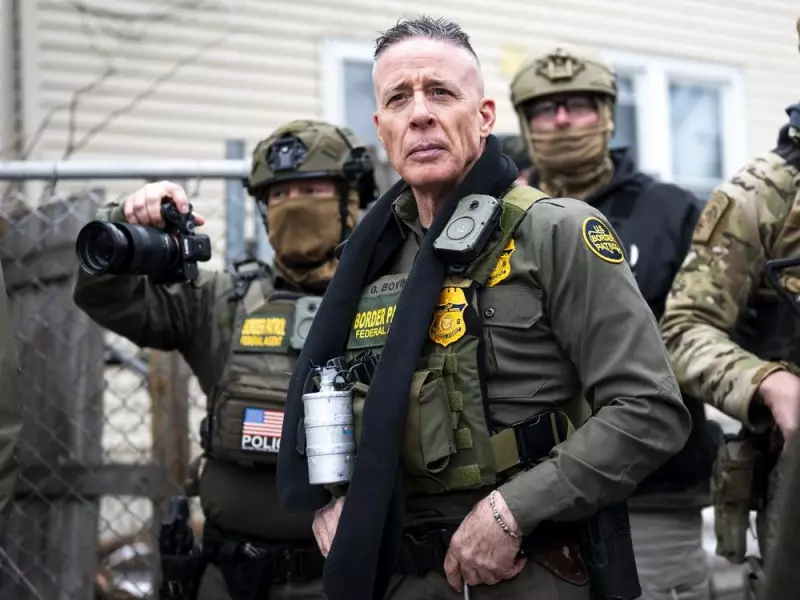
Greg Bovino, the U.S. Border Patrol commander who became the public face of President Donald Trump's aggressive immigration enforcement operations in Minneapolis, is leaving the city. This departure comes amid escalating public anger and political pressure following the recent fatal shootings of two American citizens by federal agents during enforcement actions.
Mounting Public Outcry Forces Leadership Change
Bovino and several Border Patrol agents are expected to begin their departure from Minneapolis as early as Tuesday, according to local officials familiar with the situation. This personnel shift follows weeks of sustained protests, political turmoil, and nationwide scrutiny of Operation Metro Surge - a federal enforcement initiative that has deployed thousands of immigration agents to Minnesota since last month.
The White House has announced it is dispatching border czar Tom Homan to Minneapolis as Bovino's replacement. Homan, a former acting director of Immigration and Customs Enforcement, will report directly to President Trump and has been tasked with de-escalating tensions in the region. His first order of business includes meeting with Minneapolis Mayor Jacob Frey on Tuesday to discuss improved coordination between federal and local law enforcement agencies.

Controversial Tactics and National Scrutiny
Bovino had emerged as a polarizing figure during his tenure in Minneapolis, known for implementing hardline enforcement tactics that included:
- Deploying chemical agents against protesters
- Personally leading front-line operations during clashes between demonstrators and federal officers
- Overseeing immigration enforcement that resulted in civilian fatalities
Before his assignment in Minnesota, Bovino led immigration enforcement operations in several major American cities including Los Angeles, Chicago, Charlotte, North Carolina, and New Orleans. His Chicago assignment proved particularly contentious, with a federal judge ordering him to wear a body camera and report daily to court as part of judicial oversight of enforcement actions in that jurisdiction.
Fatal Incidents Spark Community Backlash
The situation in Minneapolis reached a boiling point following the January 24th fatal shooting of 37-year-old intensive care nurse Alex Pretti by a Border Patrol agent during an immigration enforcement operation. Initial official statements claimed Pretti posed a threat to agents, but video evidence circulated on social media contradicted these assertions, showing Pretti already subdued before being shot.
This incident occurred just weeks after the January 7th killing of Renee Good, a U.S. citizen and Minneapolis mother of three, by an ICE agent during a similar operation in a residential neighborhood. The consecutive fatalities triggered widespread community outrage, with local officials describing the federal presence as chaotic and counterproductive to public safety objectives.
Conflicting Reports and Political Fallout
Media reports on Monday suggested Bovino had been removed from his role as "commander at large" and would return to his previous Customs and Border Protection position in Southern California. However, Department of Homeland Security spokesperson Tricia McLaughlin disputed this characterization, stating in an email that "Bovino has NOT been relieved of his duties."
The political fallout extended to the highest levels of the Trump administration, with senior adviser Stephen Miller suggesting on social media that Pretti was an "assassin" and "domestic terrorist." Meanwhile, Homeland Security Secretary Kristi Noem maintained that the demonstrator had arrived at the scene specifically to "impede a law enforcement operation."

Local Response and Future Enforcement
Minneapolis Mayor Jacob Frey has announced that while the city will continue cooperating with state and federal authorities on serious criminal investigations, it will refuse to assist in immigration arrests that local officials deem unconstitutional. This stance reflects growing tension between municipal leadership and federal immigration enforcement strategies that many community members view as overly aggressive and detrimental to public trust.
The leadership transition from Bovino to Homan represents a significant shift in the Trump administration's approach to immigration enforcement in Minneapolis, signaling recognition of the need to address community concerns while maintaining federal authority over border security matters.