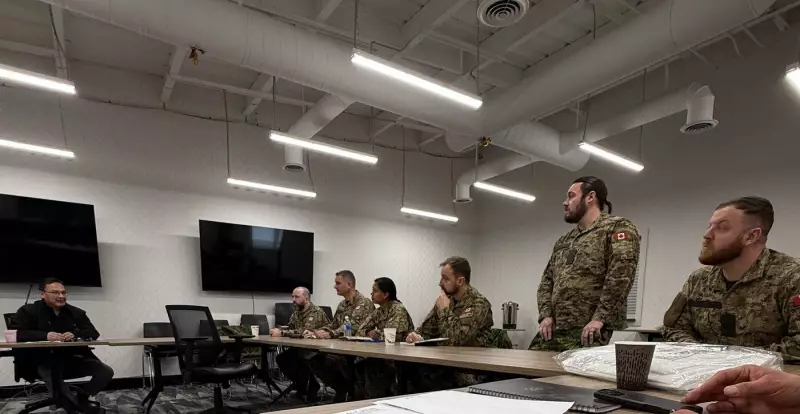
Military Mission Concludes in Manitoba First Nation After Frozen Water Damage
The Canadian Armed Forces have officially completed their emergency support mission in Pimicikamak Cree Nation, Manitoba, where they were deployed to assist with critical water infrastructure issues caused by freezing temperatures. The military personnel arrived in the northern Manitoba community to provide technical expertise and logistical support as the First Nation grappled with extensive damage to its water systems from severe winter conditions.
Addressing a Persistent Water Crisis
Pimicikamak Cree Nation, also known as Cross Lake, has faced ongoing water challenges for years, with the recent extreme cold exacerbating existing infrastructure vulnerabilities. The frozen pipes and damaged water treatment components created an urgent situation for residents, many of whom have long dealt with boil-water advisories and unreliable access to clean drinking water.
Chief David Monias welcomed the military assistance, noting that the specialized skills and equipment brought by the Armed Forces were crucial for addressing immediate threats to community health and safety. "When our water systems fail in these temperatures, it becomes more than an inconvenience—it becomes a life-threatening situation," Monias stated in previous communications about the crisis.

Scope of Military Assistance
The military mission involved:
- Technical assessment of damaged water infrastructure
- Emergency repairs to critical water system components
- Logistical support for water distribution
- Coordination with local technicians and community leaders
This deployment represents one of numerous instances where the Canadian military has been called upon to assist Indigenous communities facing infrastructure emergencies, particularly related to water security in remote northern regions.
Broader Context of Water Security in Indigenous Communities
The situation in Pimicikamak Cree Nation highlights the persistent water infrastructure challenges facing many First Nations across Canada. Despite federal commitments to eliminate long-term drinking water advisories in Indigenous communities, technical issues, climate extremes, and aging systems continue to create emergencies requiring immediate intervention.
Military deployments for domestic emergencies, while relatively uncommon, represent a critical component of Canada's emergency response framework when local and provincial resources are insufficient to address urgent threats to public safety and essential services.
The completion of this mission does not signify a permanent resolution to Pimicikamak's water challenges but rather addresses the most immediate threats from frozen infrastructure. Community leaders continue to advocate for sustainable, long-term solutions to ensure reliable access to clean water regardless of seasonal temperature extremes.