The B.C. Conservative leadership race has taken a decisive turn as candidates increasingly embrace culture war issues, particularly around Indigenous reconciliation and land rights. One candidate, Yuri Fulmer, managed to revive his campaign after initially urging the party to set aside such topics.
Fulmer's Reversal on Culture War
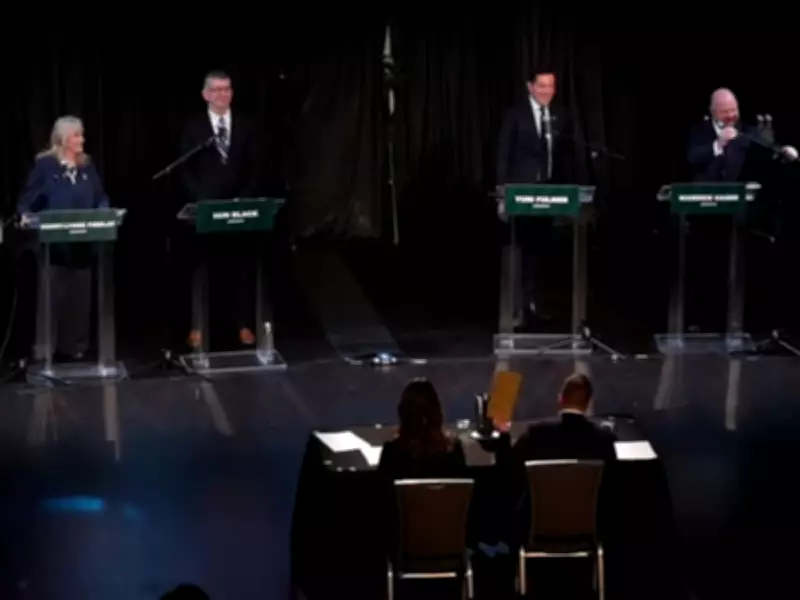
In February, Fulmer made the mistake of telling party members to forget their 'pet projects' and focus on the cost of living. The backlash was swift, with federal Conservative MP Aaron Gunn calling him a 'horrible candidate.' However, Fulmer quickly reversed course. During the first unsanctioned debate earlier this month, he pledged to fight the NDP on property rights, LGBT policy, and Indigenous affairs, earning applause from the audience. Polling suggests a tight race, but Fulmer's momentum has recovered, and he is now a leading contender.
Key Issues in the Race
The Declaration on the Rights of Indigenous Peoples Act (DRIPA) is a central issue, as it transfers political and economic authority to First Nations governments, which critics say are unaccountable to non-Indigenous British Columbians. Terms like 'reconciliation,' 'decolonization,' and 'land back' are at the heart of the debate. Other candidates, such as Iain Black and Caroline Elliott, have also embraced the culture war. Elliott has promised to scrap DRIPA, eliminate 'land back' policies, remove diversity, equity, and inclusion from government hiring, and end sexual orientation and gender identity discussions in schools.

The culture war, though dismissed by progressives, has been fundamental to the rise of the B.C. Conservatives. While economic issues remain important, the party's base is determined to challenge left-wing frameworks on education, land rights, and moral assumptions. The leadership race reflects a broader struggle over the future of British Columbia.