The Supreme Court recently upheld the long-standing interpretation of the 14th Amendment's citizenship clause, affirming that birthright citizenship applies to nearly all individuals born on U.S. soil. The decision, which maintained a status quo that has been in place since 1868, provoked intense backlash from prominent right-wing figures and allies of former President Donald Trump.
Fury Despite No Change
Despite the ruling merely preserving existing law, influential conservatives reacted with alarm. Sean Davis of The Federalist described the decision as cause for “Dissolution of the Union,” while right-wing influencer Matt Walsh called it “Total madness. Suicide.” Others labeled it a “tremendous betrayal” and argued that it turned citizenship into a “joke.” Trump himself said the ruling was “too bad for our Country.” This reaction came even though the court made no substantive change to citizenship policy; the country has not faced dissolution since the 14th Amendment was adopted.
Stephen Miller's Vision of Citizenship
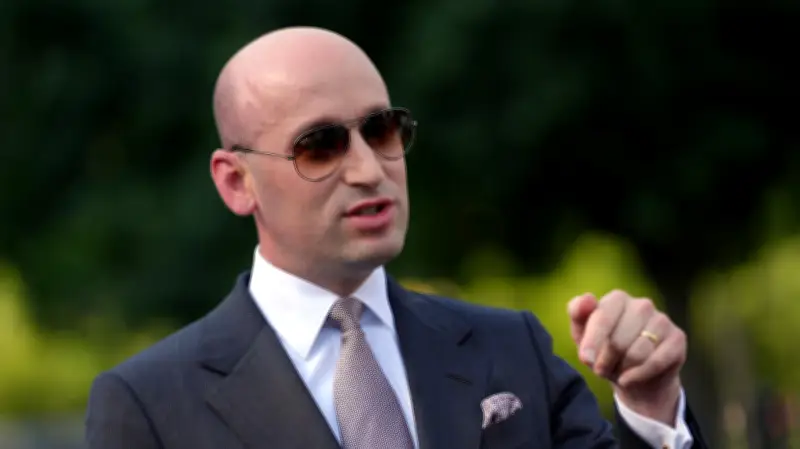
White House deputy chief of staff for policy Stephen Miller articulated the ideological underpinnings of the opposition. After the decision, he complained about immigrants from “third-world nations” giving birth in the U.S. and their children automatically becoming citizens. “Citizenship means nothing if it is open to everyone,” Miller said, according to an Associated Press report. He argued that such children could eventually sit on juries, elect mayors, governors, and presidents, implying that citizenship should be restricted by national origin and race.

This perspective is central to Trumpism and the MAGA movement, which have focused on redefining who qualifies as American. Trump’s political career began with birtherism—questioning whether former President Barack Obama was born in the U.S.—and has continued with attacks on birthright citizenship. The Supreme Court ruling represents a setback for efforts to roll back the expansion of the American national community that has occurred since the New Deal and accelerated after World War II.
Historical Context and Ideological Battle
The 14th Amendment, adopted after the Civil War, overturned the 1857 Dred Scott decision, which denied citizenship to Black people. It enshrined the principle that all persons born or naturalized in the U.S. are citizens, a direct reflection of Abraham Lincoln’s vision that the country was “dedicated to the proposition that all men are created equal.” The amendment was designed to prevent future restrictions on citizenship based on race or origin.
Trump’s attack on birthright citizenship is seen as a symbolic strike against this ideological foundation. It echoes earlier efforts to unravel Reconstruction and impose Jim Crow laws. The heated reaction to the Supreme Court’s decision reveals a deep desire among some conservatives to return to a two-tier system of citizenship, where certain groups have rights and others do not. The ruling reaffirms the constitutional commitment to equal citizenship, but the fight over the meaning of American identity continues.