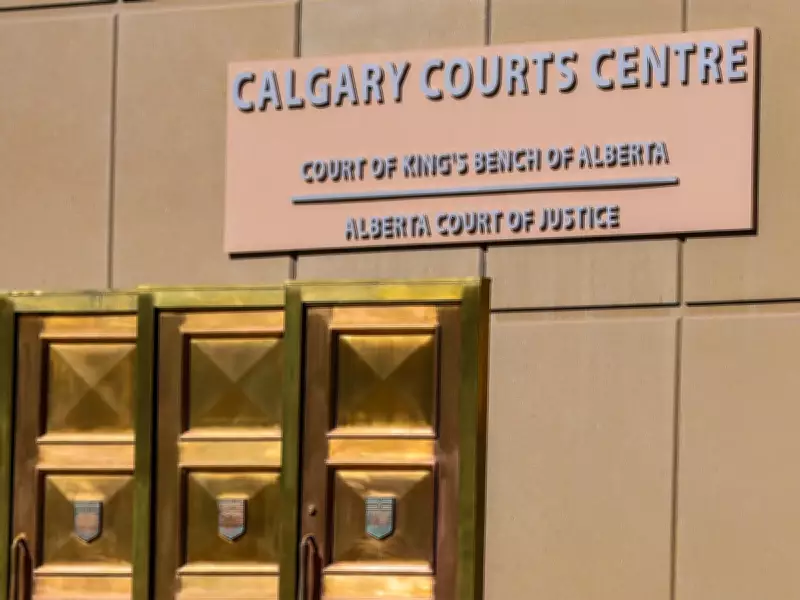
Court Directs Alberta Government to Reconsider Judicial Salary Increase Rejection
A recent Court of King's Bench decision has ordered the Alberta government to reconsider its refusal to implement a recommended 17 percent salary increase for provincially appointed judges over four years. Justice Donald Lee ruled that the provincial administration failed to provide legitimate justification for rejecting the independent compensation commission's 2023 recommendations under legally mandated judicial pay dispute resolution procedures.
Disputed Compensation Figures and Government Response
The judicial compensation commission had recommended increasing judicial salaries from $318,500 to $372,500 over a four-year period ending in March 2025, representing a 17 percent cumulative raise. The Alberta government instead approved only a 9.3 percent increase, bringing annual salaries to $348,102. Provincial officials argued the recommended increase was "out of step with the economic times" and "would potentially jeopardize public confidence in the judiciary."
The Alberta Provincial Justices' Association objected to the government's decision, triggering a judicial review that took place in mid-2025. The commission's recommended increase would have cost the province approximately $33 million in additional compensation expenses.

Justice Lee's Detailed Analysis and Findings
In his comprehensive written decision, Justice Lee examined multiple points of contention between the government and judicial association, including:
- Economic conditions when the review process began in 2021
- Post-COVID economic circumstances
- Inflationary pressures during the relevant period
- Comparisons with public sector wage increases
Justice Lee found the government's reliance on historical comparisons between judicial salary increases and public sector wages particularly "problematic," noting this argument had not been presented before the review was initiated in 2021. "Raising it for the first time in its response is not legitimate," he wrote in his decision.
Legal Framework and Historical Context
The judicial compensation process operates under specific legal requirements established by the Supreme Court of Canada in 1997, which mandated that judicial remuneration must be insulated from political concerns through an "independent, effective and objective" commission process. Justice Lee emphasized that public sector wage increases result from collective bargaining processes, which follow different criteria than those governing independent judicial compensation commissions.
The Alberta commission conducted hearings in early 2023, during which the government proposed a four-year cumulative salary increase of 5.3 percent, while the judicial association sought salaries at 96 percent of their federally appointed counterparts—representing a 19.9 percent increase. The commission ultimately recommended the 17 percent compromise figure.
Government's Original Justifications and Next Steps
The provincial government initially provided five reasons for implementing a smaller raise than recommended, including its policy of "significant fiscal restraint" in public-sector compensation and disagreement with the compensation commission's evaluation metrics. With the court's ruling, the Alberta government must now reconsider its position on judicial compensation while adhering to the legally established procedures for resolving such disputes.