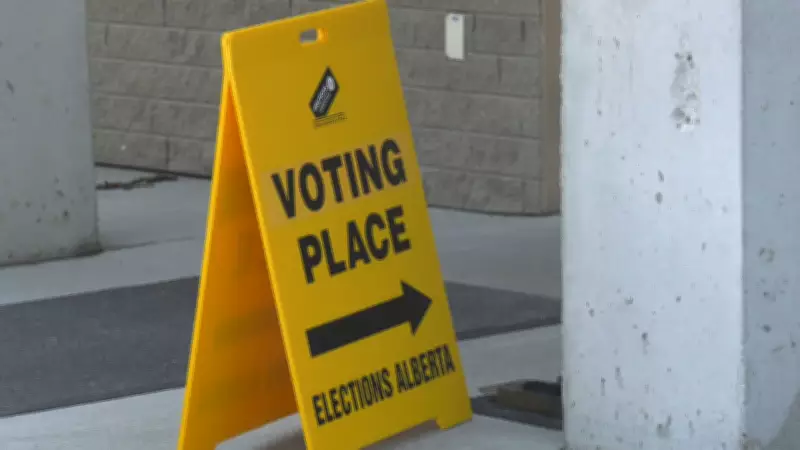
An Alberta court has granted an injunction to shut down a database containing voter information, citing privacy concerns and potential misuse of data. The database, operated by a third-party group, had compiled personal details from public voter lists without authorization from Elections Alberta.
Court Ruling and Implications
The injunction was issued on April 30, 2026, after Elections Alberta filed a legal challenge arguing that the database violated provincial privacy laws. The court agreed, ordering the immediate cessation of operations and the deletion of all collected data. This decision marks a significant victory for privacy advocates who have warned about the risks of aggregating voter information without consent.
Background of the Case
The database in question had been assembled from publicly available voter lists, which are legally accessible under Alberta's election laws. However, the group behind the database had combined this information with other sources, creating a comprehensive profile of voters. Elections Alberta argued that this went beyond the intended use of voter lists and posed a threat to individuals' privacy.

In its ruling, the court emphasized that while voter lists are public, their aggregation and use for purposes other than elections require strict oversight. The judge noted that the database could have been exploited for targeted advertising, political manipulation, or even identity theft.
Reactions and Next Steps
Elections Alberta welcomed the ruling, stating that it protects the integrity of the electoral process and the privacy of voters. The organization has also announced plans to review its policies on data sharing to prevent similar incidents in the future.
The group behind the database has not yet commented on whether it will appeal the decision. Legal experts suggest that the case could set a precedent for how voter information is handled across Canada, particularly as digital data collection becomes more sophisticated.
This case highlights the ongoing tension between transparency in elections and the need to safeguard personal information. As technology evolves, courts and lawmakers will continue to grapple with these issues to ensure that democratic processes remain secure and trustworthy.