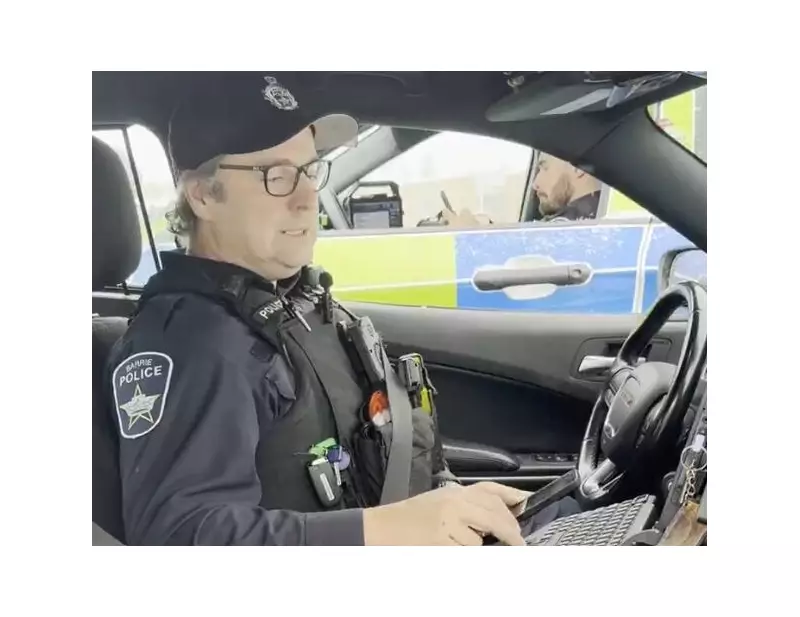
Have you ever driven past two police cruisers parked side-by-side on a street or in a parking lot and wondered what was happening? This common sight, often captured in images like one recently shared by the Barrie Police on social media, is a standard operational procedure with specific purposes related to safety and efficiency.
The Strategic Reasons Behind the Practice
Contrary to some public speculation, this maneuver is not simply for casual conversation. The primary reason is officer safety. When police officers need to confer, whether to discuss an ongoing call, coordinate strategy, or exchange critical information, doing so outside of their vehicles exposes them to potential risks. By pulling their vehicles close together, drivers' side to drivers' side, they can communicate through open windows while remaining in the relative security of their cruisers. This setup allows them to maintain situational awareness of their surroundings, a fundamental aspect of policing.
More Than Just a Chat: Operational Efficiency
This practice also serves important logistical functions. Officers may need to physically transfer documents, equipment, or evidence from one vehicle to another. Parking in close proximity makes this exchange quick and secure. Furthermore, it can be part of briefing sessions for shift changes or collaborative planning for upcoming operations, ensuring both officers have the same information without having to use potentially congested radio channels for lengthy discussions.

The image referenced, posted by Barrie Police, serves as a visual example of this everyday tactic. It highlights a routine aspect of police work that the public frequently observes but may not fully understand. This practice is consistent across many police services in Ontario and beyond, rooted in standardized safety protocols designed to protect those who serve.
So, the next time you see two police cars parked side-by-side, you'll know it's likely a sign of officers efficiently and safely coordinating their duties, not just a coffee break. It's a small but significant part of the operational procedures that help law enforcement personnel perform their jobs effectively while minimizing risk.